Malaga Airport Arrival Example for UK Travellers
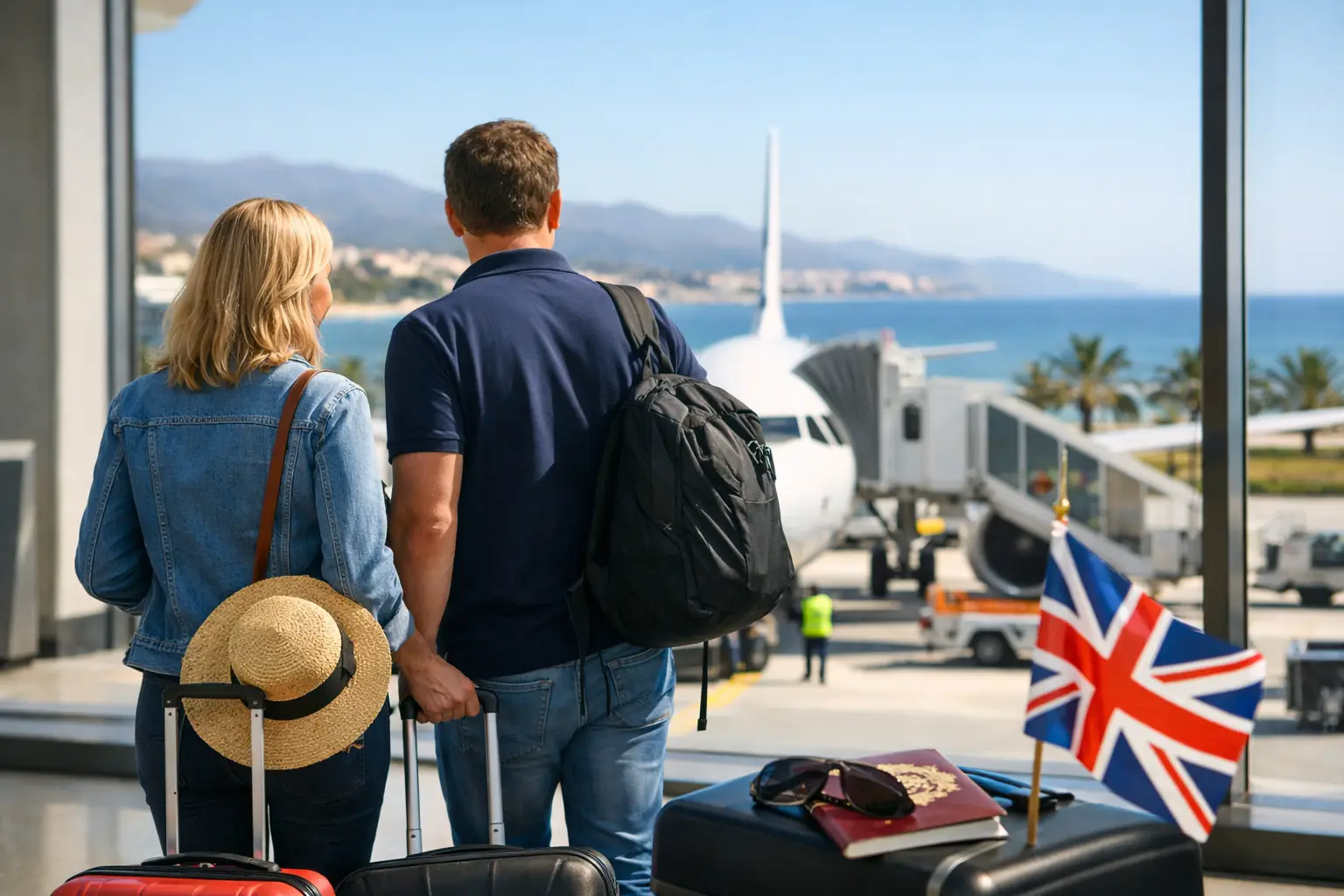
Landing at Malaga-Costa del Sol Airport is usually straightforward, but the first hour can set the tone for the rest of your holiday. This Malaga airport arrival example shows what a typical UK traveller can expect, from leaving the aircraft to reaching a Costa del Sol resort, with the practical decisions that are easiest to get right before you fly.
The exact timing depends on your arrival terminal, passport-control queues, checked luggage and whether you have pre-booked transport. A midweek morning with hand luggage can be quick; a full Saturday flight in summer may take considerably longer. Leave enough margin when booking a transfer, collecting a hire car or arranging a restaurant reservation on your first evening.
Malaga airport arrival example: plane to arrivals hall
Imagine you arrive from Manchester at 11.30am with one checked suitcase and a pre-booked transfer to Fuengirola. Once the seatbelt sign is off, allow 10 to 20 minutes to leave the aircraft and walk into the terminal. Do not assume that being near the front of the plane guarantees a fast exit – buses, gate position and other arriving flights can all affect the queue ahead.
11.45am: Follow signs for passport control
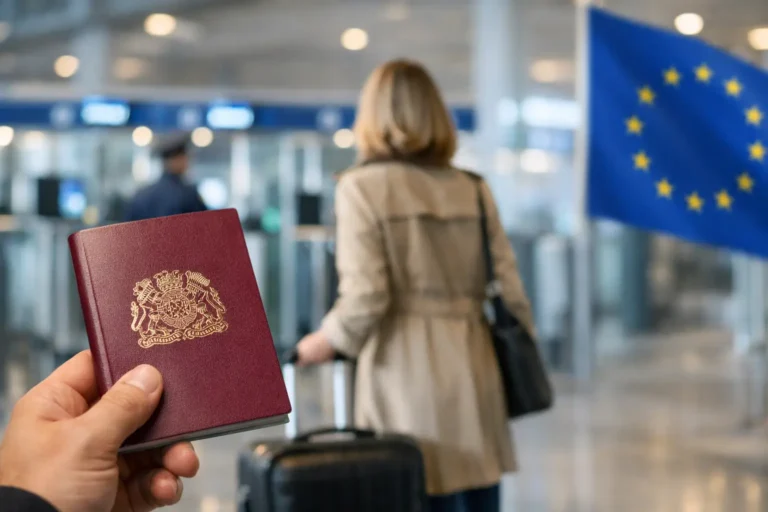
As a UK passport holder, you will normally need to pass through passport control when entering Spain. Follow the signs for passport control or arrivals rather than baggage reclaim first. Keep your passport in an easy-to-reach pocket, along with any documents your airline or border officials may request.
Border requirements can change, so check the current entry rules well before departure. Your passport should meet Spain’s validity requirements, and it is sensible to carry evidence of your return or onward travel, accommodation and sufficient funds, even though not every traveller will be asked for these.
Queue times vary sharply. In this example, passport control takes 25 minutes, putting you through at around 12.10pm. At busy periods, particularly school holidays and weekend arrivals, it can take longer. If you are travelling with children, use the time in the queue to refill water bottles only after security and to make sure everyone has their own coat, phone and documents before moving on.
12.10pm: Collect checked luggage
After passport control, check the screens for your flight number and assigned baggage belt. Bags often take 15 to 30 minutes after landing to appear, although this can be faster or slower depending on ground handling and the distance from the aircraft stand.
Stay near the belt until your suitcase arrives, but avoid blocking the front edge. Check the luggage tag before leaving: several near-identical cases can appear on the same carousel. If a bag does not arrive, speak to your airline’s baggage desk before exiting the secure area. Report it there and keep receipts for essential replacement items if the airline advises you to buy them.
In this example, the suitcase arrives at 12.25pm. The traveller then heads through customs. Most visitors with ordinary personal belongings use the green channel, but follow the signs and declare goods if the rules require it. Do not bring meat, dairy or other restricted products from the UK without checking the current rules first.
12.30pm: Enter the public arrivals area
You are now in the arrivals hall. This is the point to switch on your eSIM or connect to airport Wi-Fi, send a quick message home and confirm your onward journey. If you have ordered an eSIM, install it before leaving the UK where possible, then activate the data plan once you are ready to use it in Spain. This avoids relying on an airport connection while trying to find a driver or train platform.
There are cash machines, shops and transport desks in and around the terminal. You do not need to withdraw a large amount of cash for most holidays: contactless cards are widely accepted across the Costa del Sol. A small amount of euros can still be useful for tips, independent cafés or a contingency, but choose a cash machine carefully and decline the machine’s currency conversion if you want your bank or card provider to set the exchange rate.
Choosing the right onward transport
The best option depends mainly on your resort, arrival time, group size and luggage. A pre-booked private transfer is usually the simplest choice for families, late arrivals or accommodation that is not close to a station. The driver normally meets passengers in the public arrivals area with a name board or sends clear meeting instructions in advance. Read those instructions before take-off and save the supplier’s contact number offline.
For the example journey to Fuengirola, a transfer is convenient if the accommodation is some distance from the station or the group has several cases. A taxi can also work well for a direct door-to-door journey, but confirm the destination, expected fare and card-payment option before setting off. Use the official taxi rank rather than accepting offers from anyone inside the terminal.
The airport train is a strong lower-waste option for travellers staying near stations in Torremolinos or Fuengirola. It is generally better value than a taxi for one or two people with manageable luggage, but it is less attractive if you arrive late, have a pushchair or need a final uphill walk with heavy cases. The station is connected to the terminal and signposted; allow time to buy tickets and reach the platform rather than running for the first train you see.
Buses can suit certain routes, but they require more checking around departure times, stops and luggage allowances. For Marbella, Estepona and other resorts without a direct rail connection, a transfer, coach connection or hire car is often more practical. If your hotel is in a pedestrianised old town, ask in advance where vehicles can drop you. The last few minutes on foot can be confusing after a flight.
A realistic first-hour timetable
For a 11.30am landing, this example has the traveller reaching the public arrivals hall at 12.30pm. That is a reasonable estimate, not a promise. With hand luggage only and a short passport queue, they might be outside by 12.00pm. With a delayed flight, busy border control and slow baggage delivery, 1.15pm is possible.
When booking transport, avoid selecting a collection time that leaves no room for normal airport processes. Good transfer providers track flight numbers, but you should still provide the correct flight details and make sure your booking phone number works abroad. If you are using a train, check the service pattern for your arrival day and keep a backup plan for strikes, engineering work or a missed connection.
A sensible approach is to treat the first 90 minutes after scheduled landing as airport time. This reduces stress and makes it easier to choose public transport where it genuinely fits the journey, rather than paying for a last-minute taxi because the plan was too tight.
Common arrival mistakes to avoid
The most frequent mistake is booking a transfer for the scheduled landing time rather than allowing for passport control and baggage reclaim. The second is leaving travel documents in a packed cabin bag, then searching for them while the queue moves. Keep passports, travel insurance details, accommodation address and transfer confirmation together in a small pouch.
Another avoidable problem is relying on mobile data without checking your plan. Roaming charges and data allowances differ between providers, so confirm your settings before departure. Download maps, booking confirmations and accommodation directions for offline use too. It saves battery and reduces the need to print multiple documents that will be discarded once you arrive.
Finally, do not try to complete every holiday task in the arrivals hall. You only need to get connected, collect your bags and reach your transport. Grocery shopping, currency decisions and excursion planning can wait until you have checked in and had a drink of water.
A calm first hour starts with a realistic plan: documents accessible, transport suited to your destination and enough time for the parts of arrival you cannot control. That gives you a better chance of reaching your accommodation ready to enjoy the coast, rather than beginning the holiday already behind schedule.