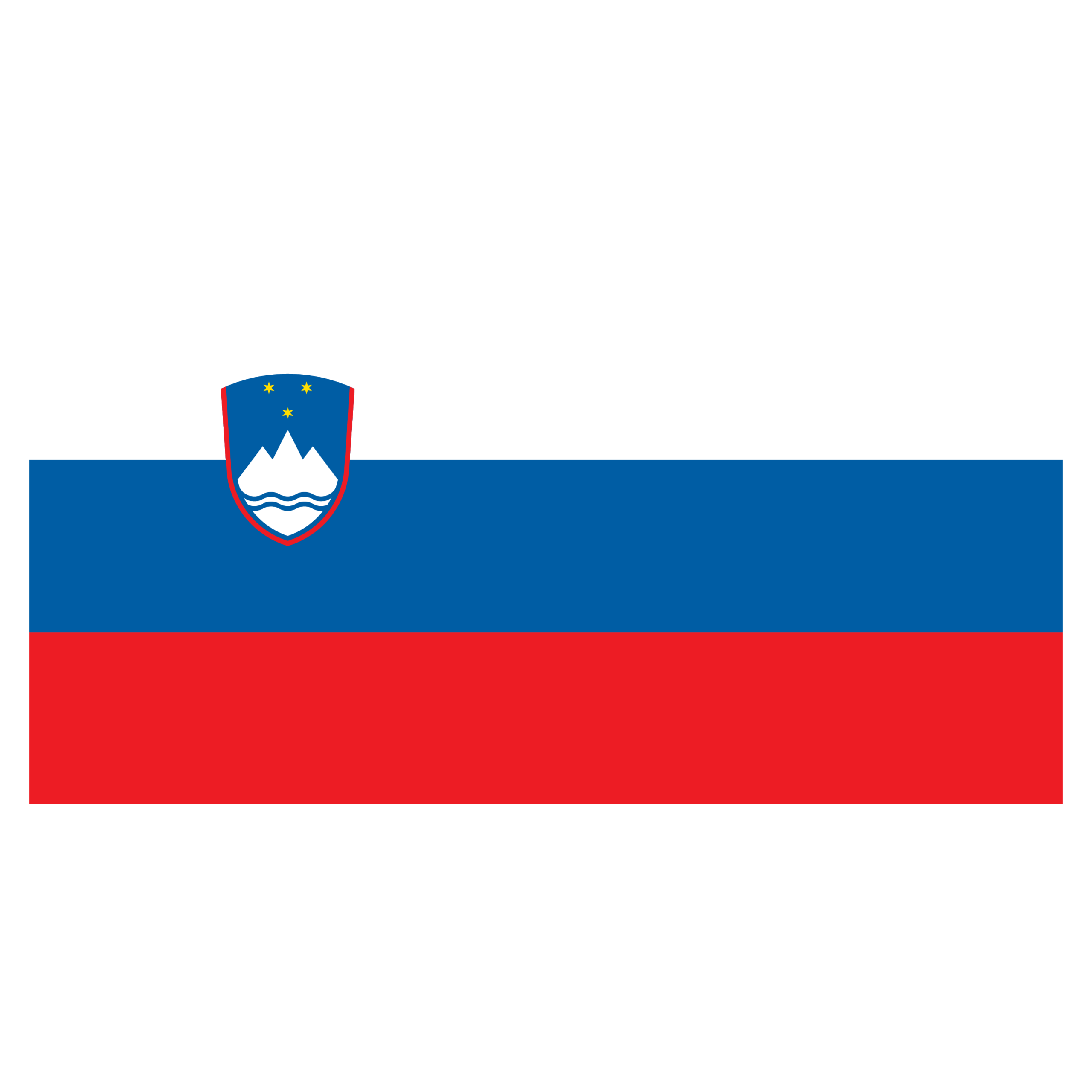
Slovenia Tourist Visa Requirements for UK Citizens
Last checked: 21 March 2026
Planning a holiday to Slovenia with a full British citizen passport?
This guide explains the current tourist entry rules for UK travellers, including whether you need a visa, how long you can stay, passport validity rules, what Slovenian border officers may ask to see, police registration rules after arrival, electronic systems now in use or coming soon, costs, and the official government links to check before travel.
This article is restricted to tourist entry for UK citizens. It does not cover work, study, residence permits, or long-stay immigration routes except where needed to explain what does not apply to a normal holiday.
Slovenia is part of the Schengen area and uses the euro (€).
Index
- 1. Quick answer
- 2. Passport and stay rules
- 3. What Slovenian border control may ask for
- 4. Registering with the police after arrival
- 5. Electronic systems in use, or coming soon
- 6. Costs for UK tourist entry
- 7. Official UK and Slovenian government links
- 8. Frequently asked questions
1. Quick answer
No tourist visa is required for a UK citizen visiting Slovenia for a short holiday.
For most British tourists, the key points are:
- You can visit Slovenia without a visa for up to 90 days in any 180-day period.
- Slovenia is in the Schengen area, so time spent in other Schengen countries counts towards the same 90-day limit.
- Your passport must have been issued within the last 10 years.
- Your passport must be valid for at least 3 months after the day you plan to leave the Schengen area.
- Until EES is fully rolled out, you should make sure your passport is stamped on entry and exit.
- There is no Slovenia-only tourist eVisa or Slovenia-only tourist ETA identified in the official sources reviewed for a normal visa-free UK tourist trip.
- You must usually register with the police within 3 days of arrival, unless a registered hotel or guest house does it for you.
In simple terms, most UK holidaymakers can travel to Slovenia without applying for a tourist visa, provided the trip stays within the Schengen short-stay limit and the passport rules are met.
2. Passport and stay rules
If you are travelling to Slovenia as a tourist on a full British citizen passport, your passport should meet these conditions:
- It must have a date of issue less than 10 years before the date you arrive.
- It must have an expiry date at least 3 months after the day you plan to leave the Schengen area.
- You can be denied entry if you do not have a valid travel document or if you try to use a passport that has been reported lost or stolen.
UK citizens can stay in Slovenia for tourism for up to 90 days in any 180-day period without a visa.
This is a Schengen-wide allowance, not a Slovenia-only allowance. If you also travel to Italy, Austria, Hungary, Croatia, France, Spain, Germany, Belgium, Portugal, or any other Schengen country, those days count towards the same limit.
If you overstay the 90-day visa-free limit, you may have to pay an on-the-spot fine. If you cannot pay, border police can confiscate documents or assets until you do, and you may also be banned from entering Schengen countries for up to 3 years.
If you want to stay longer than 90 days, that moves outside normal tourist entry. At that point you need to check the relevant Slovenian visa or permit route before travel.
3. What Slovenian border control may ask for
Even though UK tourists do not need a visa for a short holiday, Slovenian border officers may still ask for supporting documents.
- A return or onward ticket
- Proof that you have enough money for your stay
There are also checks at Slovenia’s land borders with Italy, Croatia, Hungary and Austria. If you are travelling from Croatia or Hungary, only enter Slovenia at border crossings open to all passengers, and allow extra time because checks can include vehicle inspections.
In practice, it is sensible to keep your accommodation details, onward travel details, and evidence of available funds easy to show, even though a normal UK tourist does not need to apply for a visa in advance.
Until EES is fully rolled out, you should also make sure your passport is stamped on both entry and exit. If a stamp is missing, keep evidence such as boarding passes or tickets and ask border officials to add the date and location to your passport.
4. Registering with the police after arrival
This is the most important Slovenia-specific practical rule for British tourists, because it is easy to miss.
You must usually register with the police within 3 days of arrival.
- If you stay in a registered hotel or guest house, the accommodation provider will normally do this for you.
- If you stay in self-catering accommodation, or with friends or family, check carefully who is arranging the registration.
- Slovenian police guidance says that where a foreign national stays in private accommodation, the owner, co-owner or lessee of the property must register that stay with the competent police station within 3 days of arrival.
If your presence in Slovenia is not registered, you could get a fine.
5. Electronic systems in use, or coming soon
Slovenia does not currently require a separate Slovenia-only tourist eVisa or a Slovenia-only tourist ETA for a visa-free UK holiday visit.
However, there are three systems worth knowing about:
Slovenia’s visa route for travellers who need a visa
Slovenia’s London embassy says UK citizens do not need a short-stay visa. For travellers who do need a visa, applications can be lodged at the Embassy of Slovenia in London or at VFS Global centres in the United Kingdom.
The same official guidance says visa applicants must provide travel medical insurance covering the full Schengen area with minimum cover of €30,000, and fingerprints are collected in the Visa Information System (VIS).
Entry/Exit System (EES)
The European Union’s Entry/Exit System (EES) started on 12 October 2025 and is being rolled out in phases, with full operation expected from April 2026.
For short-stay UK travellers, EES means you may need to register biometric details such as fingerprints and a photo when entering the Schengen area. You do not need to take any action before arriving at the border, and there is no fee for EES registration.
Until EES is fully rolled out, your passport should still be stamped on entry and exit. Once EES is fully in place, it will replace the current manual passport-stamping system for most affected travellers.
European Travel Information and Authorisation System (ETIAS)
ETIAS is not live yet. The official EU position is that ETIAS will start in the last quarter of 2026.
When ETIAS starts, UK passport holders travelling visa-free to Slovenia and other Schengen countries will generally need to apply online before travel unless exempt. The official ETIAS fee is €20 (about £17.27).
So the current position for UK tourists is:
- No Slovenia-only tourist eVisa requirement identified
- No Slovenia-only tourist ETA requirement identified right now
- Slovenia does have an official visa route through its London embassy and VFS Global for travellers who need a visa
- EES is being phased in now
- ETIAS is expected later, in the last quarter of 2026
6. Costs for UK tourist entry
Slovenia uses the euro (€). For a normal UK tourist visit, the official entry costs are simple because no tourist visa is required.
Approximate pound conversions below use the European Central Bank reference rate visible for 11 March 2026 of €1 = £0.86363.
| Item | Does it apply to a normal UK tourist? | Amount |
|---|---|---|
| Slovenia tourist visa | No | €0 (£0) |
| Slovenia-only tourist eVisa | No official system identified for UK tourists | €0 (£0) |
| Slovenia-only tourist ETA / pre-travel authorisation | No official system identified at present | €0 (£0) |
| EES registration | Yes, this may apply at the Schengen border during rollout | €0 (£0) |
| ETIAS, once launched | Not in force yet, but expected later in 2026 | €20 (about £17.27) |
| Schengen visa application, only if someone outside the visa-free route needs one | Not applicable to a normal British tourist | €90 (about £77.73) |
Important: the €90 visa fee above is part of Slovenia’s general visa system and does not apply to an ordinary British citizen tourist travelling under the normal visa-free route.
7. Official UK and Slovenian government links
Use these official pages before booking, before travel, and again shortly before departure:
- UK Government travel advice for Slovenia
- UK Government Slovenia entry requirements
- UK Government foreign travel checklist
- UK Government EU Entry/Exit System guidance
- Slovenian government, information for UK citizens
- Embassy of Slovenia in London, visa information
- Slovenian police, residence registration guidance
- Official EU travel information portal
- Official EU ETIAS information
- European Central Bank exchange rates
If your circumstances are unusual, for example dual nationality, a passport close to expiry, private accommodation, or an intended stay beyond 90 days, rely on the official pages above rather than third-party websites.
8. Frequently asked questions
Do UK citizens need a visa for Slovenia?
No. UK citizens travelling on a full British citizen passport do not need a tourist visa for short visits of up to 90 days in any 180-day period.
How long can a British tourist stay in Slovenia without a visa?
Up to 90 days in any 180-day period across the whole Schengen area.
How long must my passport be valid for Slovenia?
Your passport must have been issued less than 10 years before arrival and must be valid for at least 3 months after the day you plan to leave the Schengen area.
Can Slovenian border officers ask for proof of money or onward travel?
Yes. GOV.UK says border officers may ask for a return or onward ticket and proof that you have enough money for your stay.
Do I need to register with the police after arriving in Slovenia?
Yes, usually within 3 days of arrival. Registered hotels and guest houses normally do this for you. If you stay in private accommodation, check carefully with your host or booking agent who is arranging the registration.
Does Slovenia have a tourist eVisa for UK citizens?
I did not identify a separate Slovenia-only tourist eVisa system for ordinary UK tourists in the official sources reviewed.
Does Slovenia have a tourist ETA right now?
I did not identify a Slovenia-only tourist ETA or other pre-travel online authorisation for ordinary UK tourists in the official sources reviewed.
Does Slovenia have any visa system for people who need a visa?
Yes. Slovenia’s London embassy says travellers who need a visa can apply through the embassy or VFS Global centres in the United Kingdom, and fingerprints are collected in VIS during the visa procedure.
What is EES and does it affect Slovenia travel?
EES is the EU’s Entry/Exit System for short-stay travellers entering the Schengen area. It affects Slovenia travel because Slovenia is part of Schengen. During rollout, you may need to register fingerprints and a photo at the border.
When is ETIAS expected to start?
The official EU position is that ETIAS will start in the last quarter of 2026.
How much will ETIAS cost?
The official ETIAS fee is €20, which is about £17.27 using the exchange rate used in this article.
Final check before travel
For most UK holidaymakers, Slovenia is straightforward: no tourist visa is required for a short stay. The main things to get right are your Schengen day count, your passport issue date and expiry date, your supporting documents at the border, and making sure your presence is registered after arrival if your accommodation provider does not handle it for you.