How to Use Paris Metro Without Stress
The first time you stand in front of a Metro map, it can look more complicated than it really is. If you are wondering how to use Paris Metro without wasting time, the good news is that the system is fast, logical and usually the easiest way to get around the city once you know a few basics.
For most visitors, the main challenge is not the trains themselves. It is working out which ticket to buy, how to read the line numbers, and what to do when a journey involves a change. Get those three things right and the rest becomes much simpler.
How to use Paris Metro: the basics first
The Metro is the city underground rail network. Lines are numbered, most stations are clearly signposted, and trains run frequently throughout the day. In practical terms, you usually need to know only four things before boarding: your departure station, your destination station, the line number you need, and the name of the end station on your platform.
That last point catches people out. Platforms are labelled by the direction of travel using the terminus station, not by north, south, east or west. So if you are taking Line 1, for example, you will need to follow signs for the correct end of the line rather than assuming both platforms go where you need.
Inside stations, signs are generally consistent. You will see Metro symbols, line numbers in coloured circles, and boards showing the stations along each route. If you can match your planned line to the right platform direction, the rest of the trip is straightforward.
Choosing the right ticket
This is where a bit of planning helps. The best ticket depends on how often you expect to use public transport and how long you are staying.
If you are making only a few journeys, single tickets can make sense. They are simple for short stays and work well if you mostly plan to walk and only use the Metro for longer hops. If you are taking several journeys in one day, a travel pass may be better value and more convenient.
Visitors often overbuy. A weekly or multi-day pass sounds efficient, but it is only worth it if you will actually use it enough. If your hotel is central and your itinerary groups sights by area, you may need fewer journeys than you think. On the other hand, if you are staying further out or travelling with children and want to cut down on walking, a pass can reduce friction.
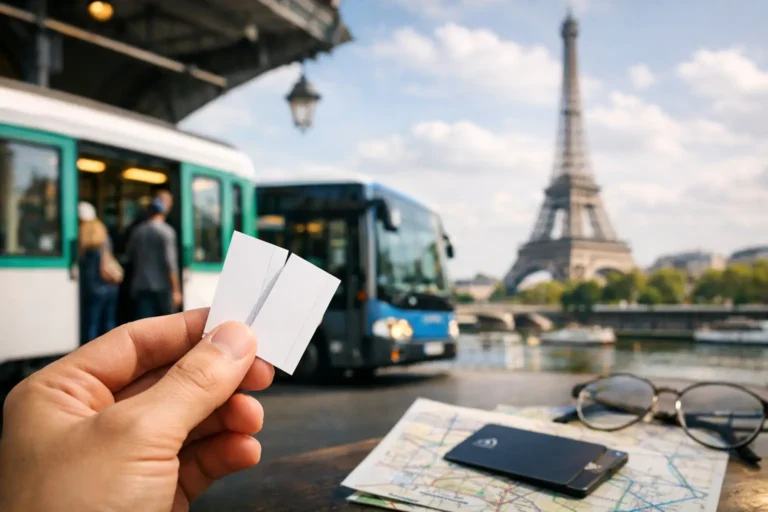
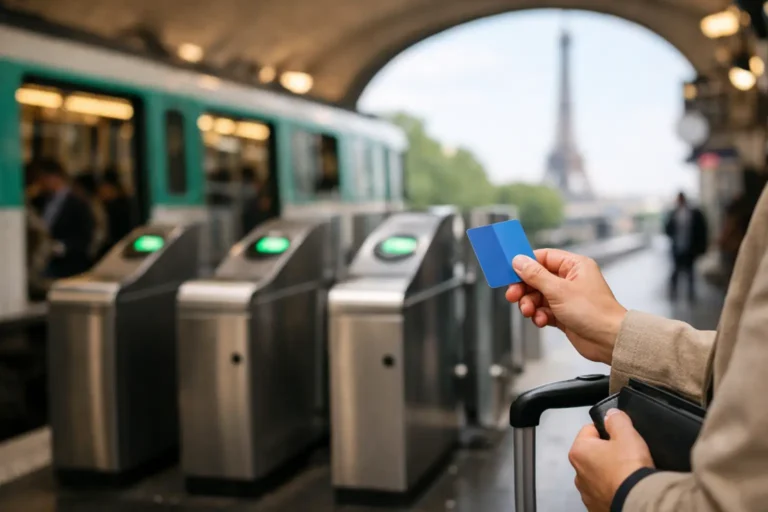
Digital and reloadable ticket options are now common, which can be easier than keeping track of paper tickets. That said, if you use a paper ticket, keep it until you leave the station. You may need it at barriers or during inspections.
How to plan a Metro journey properly
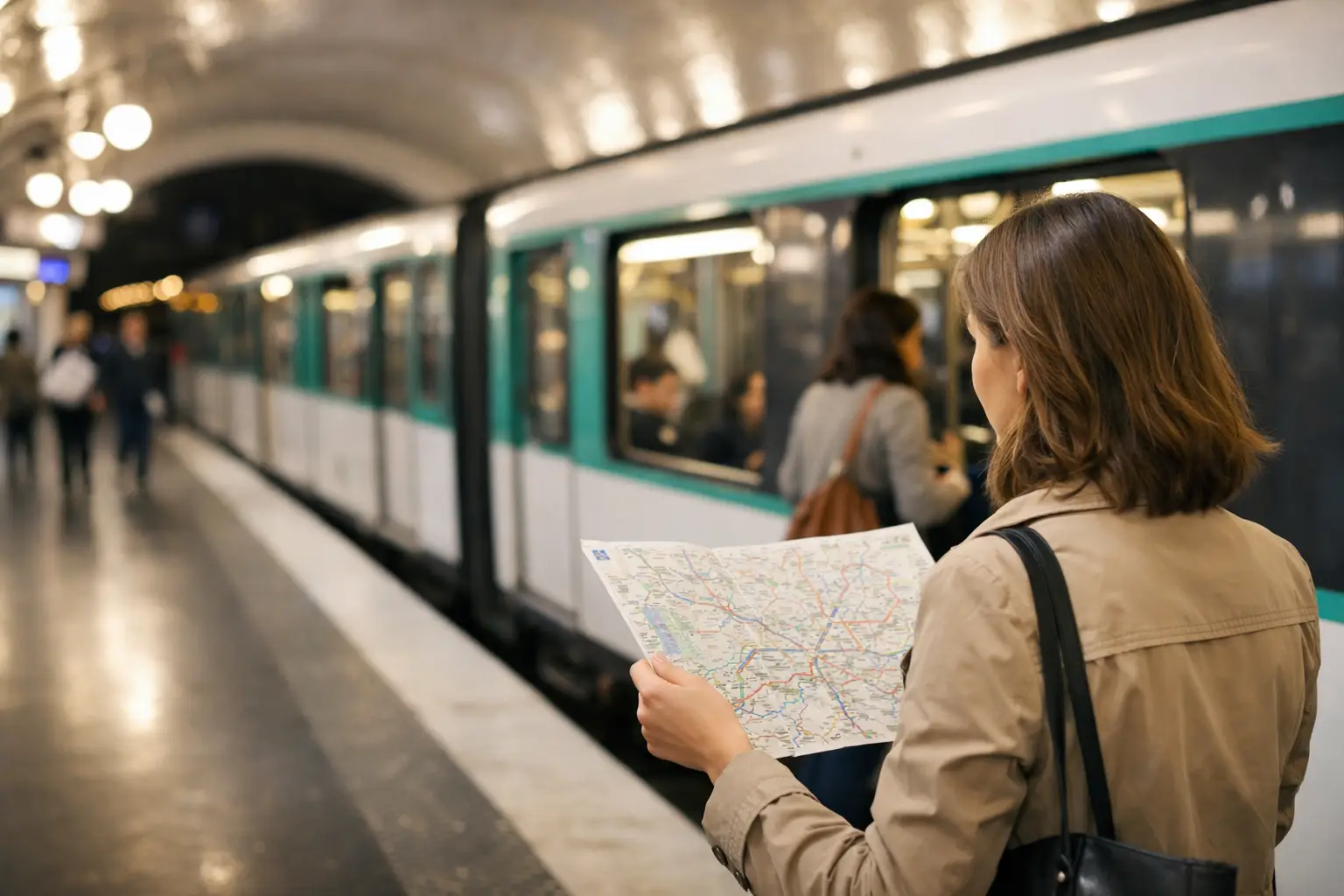
The easiest way to use the system is to plan each journey in small steps. Start with your nearest station and your destination. Then check whether you need one direct line or one change.
A direct route is always the simplest option, even if it takes a few minutes longer. Fewer changes usually means less chance of taking the wrong platform or getting stuck in a busy interchange. If two routes are similar in duration, choose the one with fewer station changes.
When a change is necessary, pay attention to the transfer station name before you set off. Large interchange stations can involve a fair amount of walking through tunnels and stairs. That is manageable for most travellers, but it matters if you have a buggy, heavy luggage or limited mobility.
Route planning apps are useful, but do not follow them blindly. Service disruptions, engineering works and station closures can affect the suggested route. It is worth checking the platform displays once you arrive.
Reading signs in the station
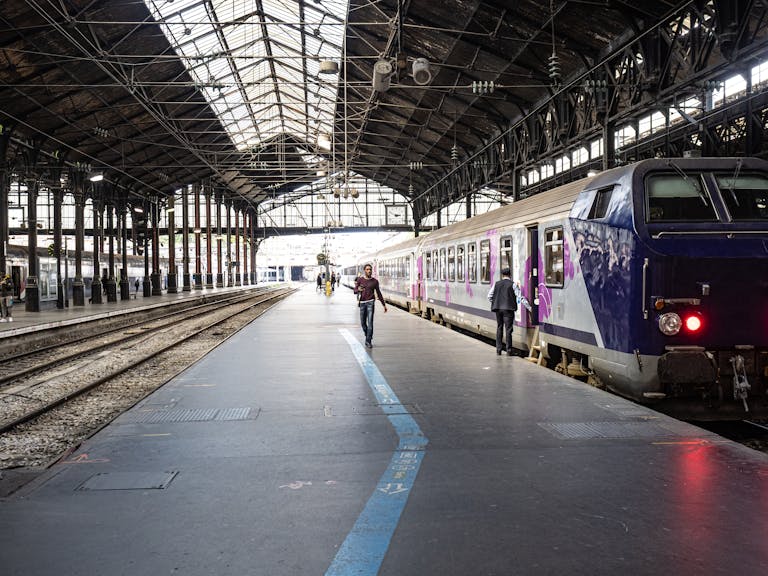
Most stations are easy enough to navigate if you slow down and read the signs in order. First, find the Metro entrance. Next, check the line number. Then follow the signs for the line’s end station that matches your direction of travel.
At interchange stations, you will often see signs for correspondance, which means connection or transfer. Follow those signs to switch lines. The signage is usually clear, but some corridors are longer than first-time visitors expect.
Maps inside stations show all stops on the line, which is helpful if you want to count how many stops remain. Electronic boards on platforms display waiting times and destination information. Once on board, announcements and route maps help you track progress.
Practical tips for first-time users
If you are learning how to use Paris Metro for the first time, a few habits make the experience much smoother. Avoid the busiest commuting periods if you can, especially with children or large bags. Trains are still usable at those times, but platforms and interchanges feel more pressured.
Keep your ticket or phone accessible rather than buried in your day bag. Move away from ticket gates once you have passed through so you do not block others. On escalators, stand to one side. Let passengers off before boarding. These are small things, but they make the system easier for everyone.
Pickpocketing is the most common traveller concern, particularly in crowded carriages and busy stations. You do not need to be anxious, just organised. Keep your phone, wallet and passport secure, and avoid carrying valuables in open coat pockets or backpacks worn on your back in a packed train.
Using the Metro with luggage, children or reduced mobility
The Metro is efficient, but not always comfortable for every type of traveller. Many stations have stairs, some interchanges are long, and lifts are not available everywhere. If you are arriving with suitcases or using a pushchair, it is worth considering whether a bus, taxi or airport transfer is easier for that specific leg of the journey.
For day-to-day sightseeing, families often find the Metro manageable once they avoid peak times. Children usually cope well with simple direct routes. The main issue is not the train ride itself but the station access, especially if you need to carry things up and down steps.
If step-free access is a priority, check routes carefully in advance rather than assuming every station will be suitable. In some cases, combining Metro travel with buses or other transport options is the more practical choice.
Common mistakes to avoid
The biggest mistake is boarding in the wrong direction. Always check the terminus name on the platform sign. A close second is assuming every station exit is equally useful. Bigger stations may have several exits, and choosing the right one can save a fair amount of backtracking once you are above ground.
Another common error is discarding a paper ticket too early. Keep it until your journey is fully complete. Travellers also tend to underestimate walking time inside interchange stations. A route with two quick changes on paper can feel slower than one direct line in real life.
Finally, do not try to cram too many stops into one day just because the network makes it possible. Public transport is a tool, not a reason to overplan. Grouping sights by area usually saves more time and energy than zigzagging across the city.
Is the Metro always the best option?
Usually, yes, but not always. For medium and longer journeys across the city, it is often the quickest and most cost-effective choice. For very short distances, walking may be easier and more enjoyable. For scenic travel above ground, buses can be a better fit. For late arrivals, lots of luggage or door-to-door convenience, private transfers or taxis may justify the extra cost.
That trade-off matters if you are trying to balance budget, time and comfort. Independent travellers often save money by using the Metro for most journeys and reserving paid door-to-door transport for airport transfers or awkward arrival times.
A simple routine that works
Once you have done one or two trips, the system tends to click. Check your route before leaving the hotel, note the line number and final destination on your platform, keep your ticket ready, and confirm the station name before getting off.
That is usually all you need. The Metro rewards calm, basic preparation rather than overthinking, and after the first day most travellers find it becomes one of the easiest parts of getting around.
If you want your trip to feel simpler from the start, treat your first Metro journey as a practice run rather than a test. A little patience at the ticket machine and on the platform saves far more time than rushing.