Paris 3-Day Itinerary (2026): A Plan That Actually Works
If you only have a long weekend in Paris, the main risk is not missing one famous sight – it is wasting time zigzagging across the city, queuing for things you could have booked, and trying to fit too much into each day. A good 3 day Paris itinerary needs to be realistic first, then memorable.
This plan is designed for first-time or early-return visitors who want the big highlights, sensible transport, and enough breathing room to enjoy the city rather than race through it. It assumes three full days in Paris, with central accommodation and a willingness to use the Metro alongside plenty of walking.
How to use this 3 day Paris itinerary
The route below groups sights by area so you are not crossing Paris unnecessarily. That matters more than people expect. On a map, places can look close together. On foot, with queues, security checks and café stops, the day fills up quickly.
If you are travelling as a family, with older relatives, or with young children, keep the structure but reduce the number of timed entries. Paris is best when there is some slack in the day. If you are visiting in peak summer, book major attractions in advance and start early. If you are travelling in winter, you can often move more freely, but daylight is shorter.
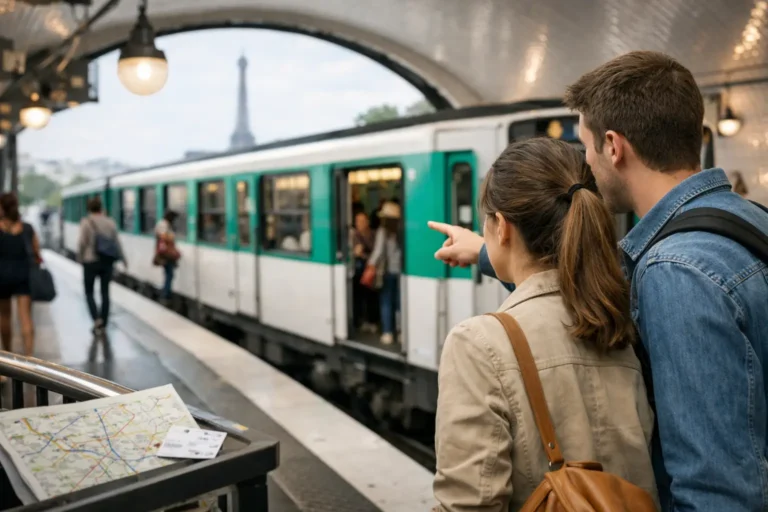
For transport, a carnet-style approach or a suitable public transport pass usually works well for a short stay, depending on how often you plan to use the Metro. Walking is practical in central districts, but comfortable shoes matter more here than many travellers allow for.
Day 1: Central Paris and the classic landmarks
Start with the Eiffel Tower area early. Whether you plan to go up or simply see it from the ground, mornings are easier for photos and generally less crowded than the middle of the day. If going up is a priority, pre-book a timed slot. If not, save time and enjoy the views from Trocadéro and the Champ de Mars instead.
From there, head towards the Seine and continue to the Invalides area or across to the river for a walk in the direction of Place de la Concorde. This part of the city rewards a steady pace. You are not just ticking off landmarks – you are getting your bearings in Paris properly.
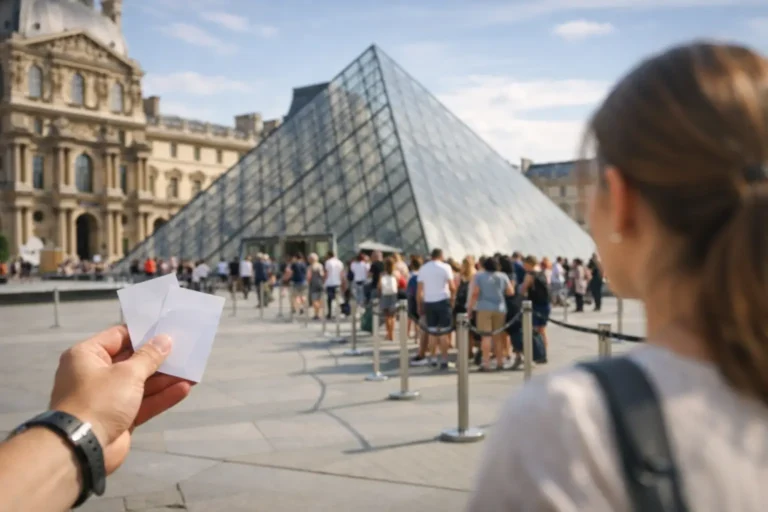
By late morning, continue into the Tuileries Garden and then towards the Louvre. For most visitors on a three-day trip, this is where discipline helps. Do not try to “do the Louvre” in full. If the museum is a must, pre-book and focus on a shortlist of galleries or major works. Two to three hours is enough for a short-break visit. If art is not your priority, admire the courtyard and glass pyramid, then keep moving.
For the afternoon, walk through to the Palais Royal area or continue along the Seine. If you still have energy, cross over to Île de la Cité to see Notre-Dame from the outside and spend time around the riverbanks. Restoration work and access arrangements can change, so flexibility is useful here.
In the evening, keep things simple. A Seine cruise can work well on your first night because it gives you a broad overview without more walking. If that does not appeal, stay local and have dinner in the 7th, 1st or Saint-Germain area depending on where you finish the day. Book ahead if you want somewhere specific. Paris is full of restaurants, but the good-value, well-located ones do fill up.
Day 2: Historic Paris, neighbourhood time and a slower pace
Your second day should feel less like a checklist. Start in Le Marais, one of the most practical areas for a short stay because it combines history, food, shops and manageable walking distances. It suits travellers who want Paris beyond the postcard view without needing complicated logistics.
Begin with a stroll through the streets before they get too busy, then head towards Place des Vosges. If museums are on your list, this is a good point to choose one that matches your interests rather than forcing in the biggest possible names. Paris rewards selective planning.
From Le Marais, make your way towards Île Saint-Louis and Île de la Cité. This stretch is ideal for lunch because you can keep the route efficient while still enjoying some of the city’s best walking. A sit-down lunch works better than grabbing food on the move here. You will appreciate the pause.
Spend the afternoon in the Latin Quarter and Saint-Germain-des-Prés. These areas are well suited to a three-day visit because they offer atmosphere without too much travel time. You can browse bookshops, stop for coffee, or visit the Panthéon, Luxembourg Gardens or a smaller museum depending on your interests.
This is the point in the itinerary where trade-offs matter. If you prefer landmark-heavy sightseeing, use the afternoon for the Panthéon and the Luxembourg Gardens. If you want more shopping and café time, shift the focus towards Saint-Germain. If you are travelling with children, the gardens are an easier win than another museum.
For the evening, consider Montparnasse for dinner or a city view from the tower if the Eiffel Tower experience was not on your first day. It is less romantic in reputation, but practical for a wide view over Paris and often easier to manage. Stafford Affiliates Travel generally favours this kind of clear trade-off – not every famous option is the best use of limited time.
Day 3: Montmartre, views and one final major stop
On the final day, start in Montmartre. Go early. This is one of the busiest parts of Paris by mid-morning, and the difference between 8.30 and 11.00 can be significant.
Begin at Sacré-Cœur, then walk through the surrounding streets while they are still relatively quiet. Montmartre can feel overly touristy in places, but the area is worth your time if you approach it early and stay slightly off the busiest lanes. You will get the view, the atmosphere and a better sense of the neighbourhood.
After that, decide how you want to use your last big sightseeing block. There are three sensible options, and the right one depends on your priorities.
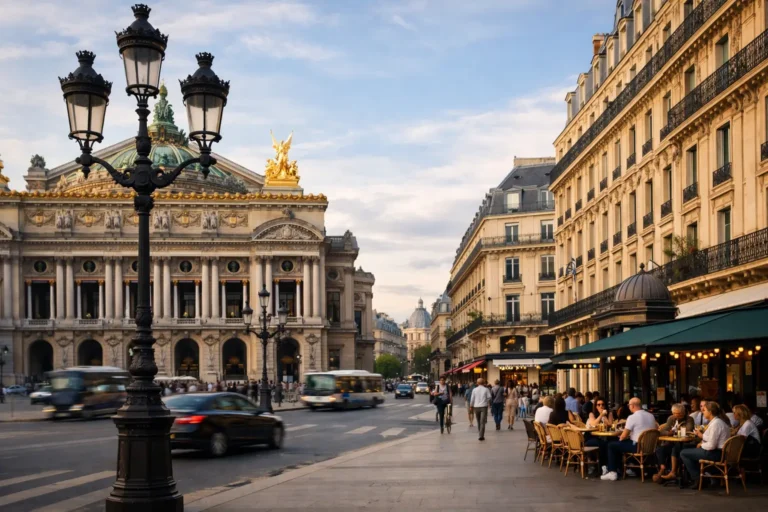
If this is your first trip and you have not yet visited a major museum, use the afternoon for the Musée d’Orsay. It is more manageable than the Louvre for many short-break visitors and often easier to enjoy in one visit. If fashion, opera or grand architecture interest you more, spend time around Opéra Garnier and the grands magasins instead. If you want one last classic Paris experience, return to the Seine and take a long walk through the areas you liked most.
This is also a good point to build in practical time. Leave space for shopping, collecting bags, or a proper final meal. Many short itineraries fail because the last day is packed right up to departure. If you have an evening Eurostar or flight, keep a close eye on airport or station transfer time. Paris traffic is unpredictable, and airport journeys can take longer than expected.
Booking and transport tips that save time
For a short stay, pre-book only the places that genuinely need it. The Eiffel Tower, Louvre and popular cruises are the main ones. Overbooking your days with timed entries can make the trip feel rigid, especially if weather changes or you simply want to stay longer somewhere.
Choose accommodation based on transport and walkability, not just nightly price. A cheaper room far outside the centre can cost you time and energy every day. For three days, that trade-off is rarely worth it. Areas with strong Metro connections and easy evening access tend to work better than trying to stay near one single attraction.
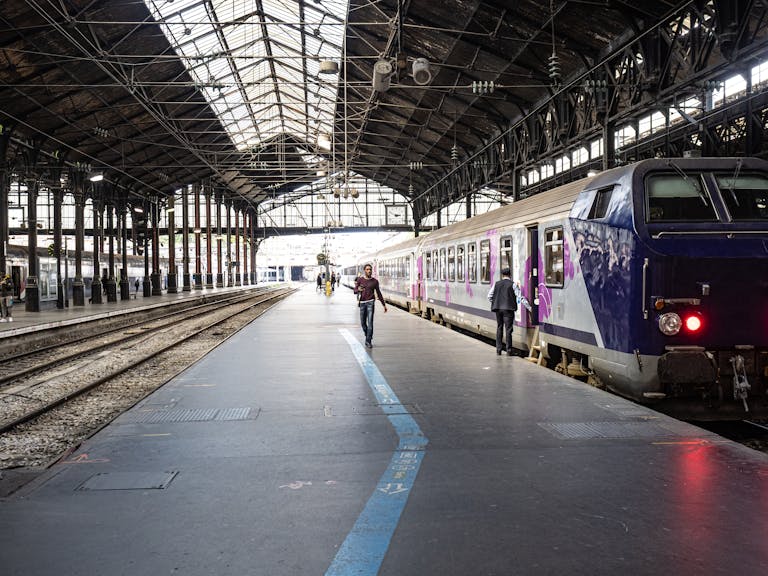
If you are arriving from the UK by Eurostar, staying on the right side of the city for your station can make the first and last day easier. If you are flying, check your airport transfer before you travel rather than deciding on arrival. That is one of the simplest ways to reduce friction.
Lower-waste choices are straightforward in Paris. Carry a refillable water bottle, use public transport when it makes sense, and avoid buying disposable items you do not need for a city break. Paris is an easy city for lighter, more organised travelling.
Common mistakes with a 3 day Paris itinerary
The biggest mistake is trying to fit Versailles into the same plan unless it is your top priority. It can be done, but it changes the trip substantially and removes a full city day. For most first visits, staying within Paris gives better value.
The second mistake is underestimating queue times and walking time. Even a well-planned route slows down once you add ticket checks, lunch and ordinary tiredness. Build in margins.
The third is assuming every meal needs to be a major event. One booked dinner per day is enough for most travellers. Keep the rest flexible and choose places when you are actually hungry and in the right area.
Paris does not need to be conquered in 72 hours. The smartest 3 day Paris itinerary is the one that leaves you feeling oriented, well-fed and ready to come back for the parts you skipped.