Where to Stay in Paris 1st Arrondissement (2026): Area Guide
Affiliate disclosure: This article contains affiliate links. If you click through and make a purchase, Stafford Affiliates Travel may earn a commission at no extra cost to you.
If you want a central base in Paris and do not want to waste time crossing the city each day, the Paris 1st arrondissement is one of the easiest places to choose. It puts you within walking distance of major sights, excellent metro connections and a wide range of hotels, but it also comes with higher prices, busy streets and the need to book early.
Is the Paris 1st arrondissement a good place to stay?
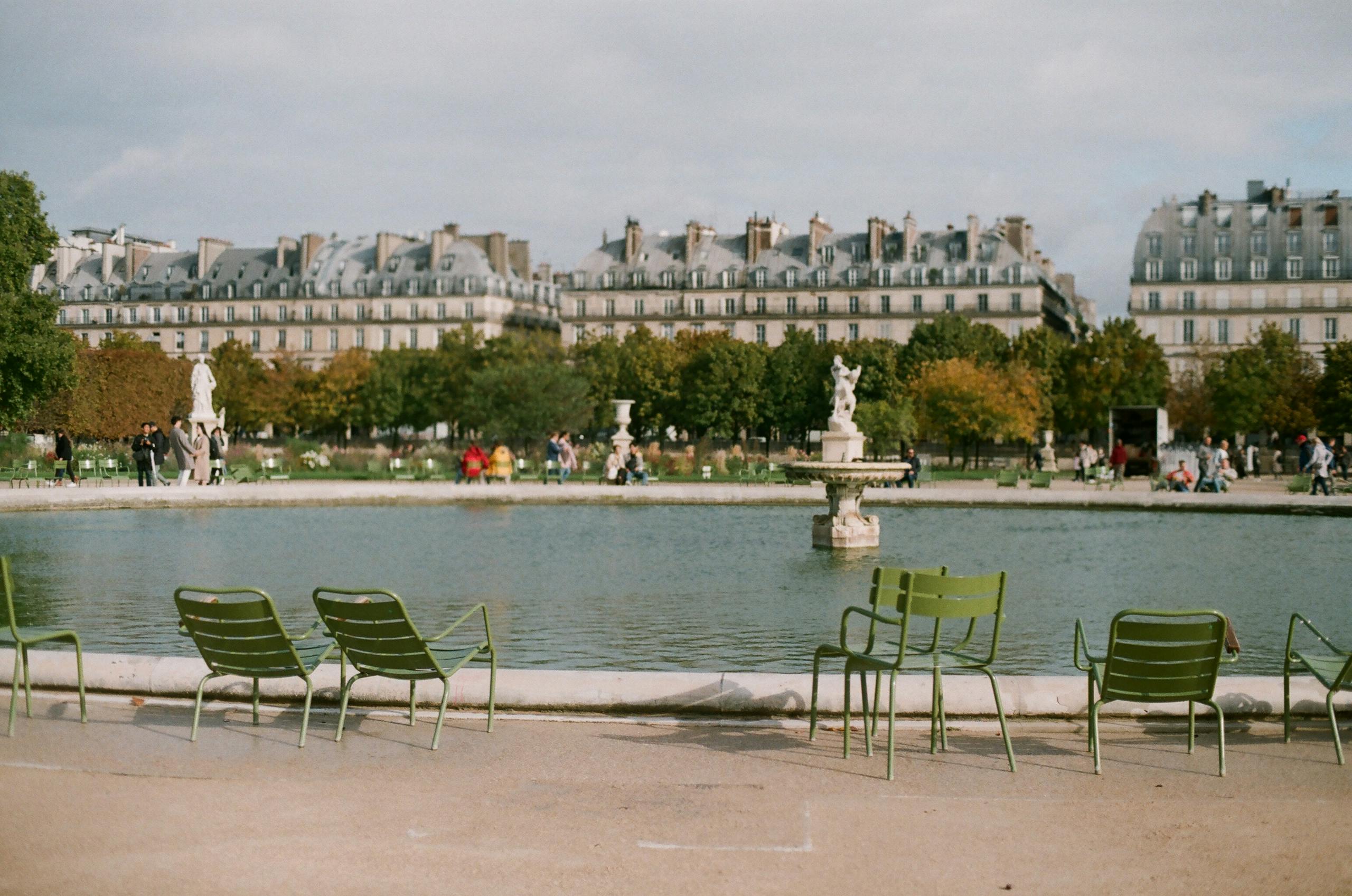
For many first-time visitors, yes. This is the historic centre of the city and home to landmarks such as the Louvre, the Tuileries Garden and the area around Palais Royal. Staying here means you can sightsee early in the morning or later in the evening without relying on constant metro journeys.
That convenience matters on a short break. If you are in Paris for two or three nights, saving 20 to 30 minutes each way soon adds up. It is especially useful for couples, solo travellers and anyone planning museum-heavy days.
The trade-off is cost. Hotels in the 1st are rarely the best value in Paris if your top priority is price alone. Rooms can be smaller than expected, and some properties focus more on location than generous facilities. Families may also find that adjoining rooms or larger flat-style options are less common here than in some outer districts.
What the area feels like
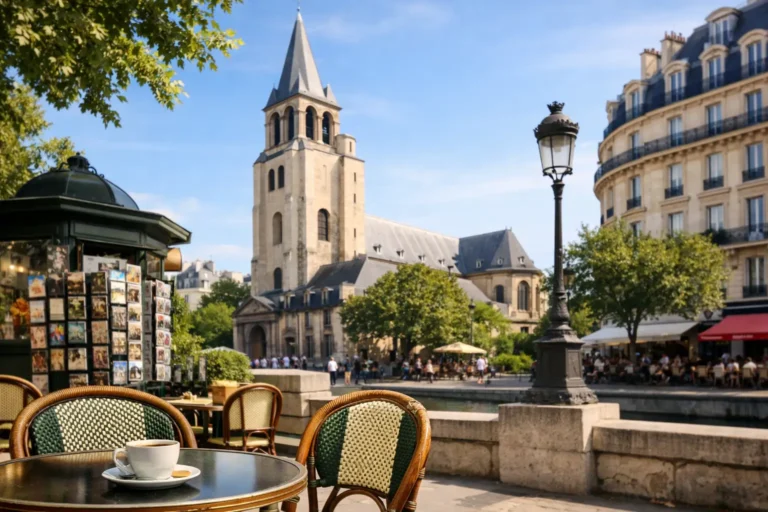
The 1st arrondissement feels polished, busy and very central. Around the Louvre and Rue de Rivoli, there is a steady flow of visitors for most of the day. Near Palais Royal, the pace is a little calmer, with elegant arcades and a more refined atmosphere. Closer to Les Halles, you get a busier transport hub and more shopping, which can be practical but less peaceful.
This is not the arrondissement to choose if you want a village feel or a strongly residential neighbourhood. It is better for travellers who want convenience, walkability and strong transport links over local character at every corner.
Best areas to stay within the Paris 1st arrondissement
Around Palais Royal is a strong choice if you want central but slightly quieter surroundings. It works well for couples and shorter breaks where you want to walk to the Louvre, the Seine and central shopping streets without being in the thick of the busiest foot traffic all day.
Near the Louvre and Rue Saint-Honore suits travellers who want iconic Paris on the doorstep. This part feels smart and efficient, but it can also be expensive. If you are planning to spend more on location and less on hotel size, it often makes sense.
Les Halles is practical if transport is a priority. The station connections are excellent, and it can be useful if you are arriving from the airport or planning day trips. The area is busier and less romantic than some visitors expect, so it is worth choosing carefully if atmosphere matters to you.
Who should stay here – and who should not
The 1st works best for first-time visitors, museum-focused travellers, shoppers and anyone on a short itinerary. If your plan is to cover major sights efficiently, this area helps you do that with minimal friction.
It may be less suitable for tight budgets, travellers who prefer quiet evenings, or families needing more space for the money. In those cases, nearby districts can offer better value while still keeping you central enough for an easy trip.
What to book in advance
If you stay in the Paris 1st arrondissement, it makes sense to pre-book the parts of your trip that are most likely to sell out or create queues. The Louvre is the obvious one. Even if you stay five minutes away, turning up without planning can still mean delays.
Airport transfers are also worth sorting before arrival if you are landing late, travelling with children or carrying more luggage than usual. Central Paris is easy to reach by public transport, but after a long journey some travellers prefer the certainty of a fixed arrival plan.
Accommodation should be booked earlier than you might think, especially for spring, summer and school holiday dates. Because the 1st is so central, availability tightens quickly and the best-rated mid-range options often go first.
Getting around from the 1st arrondissement
One of the main advantages of staying here is that you can do a lot on foot. The Seine, the Louvre, Place Vendome, the Tuileries and parts of the Marais are all within reasonable walking distance depending on your exact base.
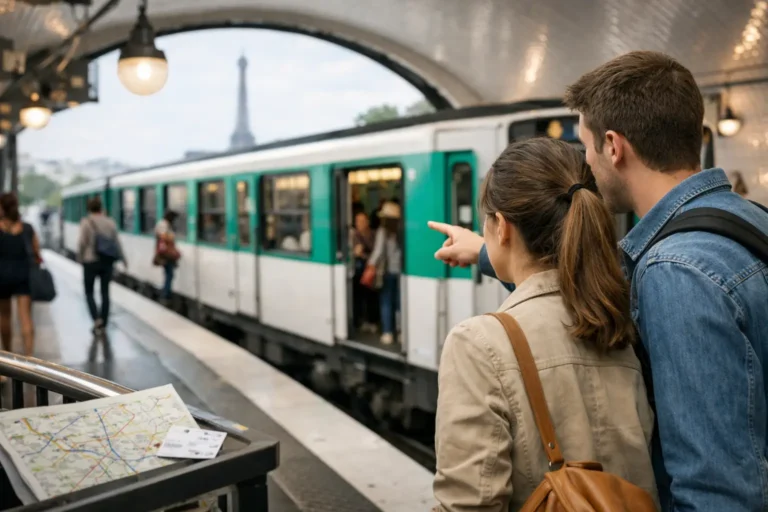
For anything further out, metro access is strong. Chatelet and Palais Royal are particularly useful stations, connecting you to several parts of the city. If you are planning to use public transport heavily, check your hotel location on a map rather than relying on the arrondissement name alone. A hotel can be in the 1st but still feel less convenient if it is tucked away from the station you need.
For lower-waste travel, this district is well suited to walking, refilling a water bottle before heading out and avoiding unnecessary taxi use during the day. On a compact Paris itinerary, that can save both money and time.
Practical booking tips
When comparing hotels in the 1st, pay close attention to room size, air conditioning and lift access. Older Paris buildings do not always offer all three, and that can affect comfort more than travellers expect. If you are arriving by Eurostar or flying in for a summer city break, these details are not minor extras.
Check whether breakfast is included, but do not overvalue it. In this part of Paris, it is often easy to find a nearby cafe or bakery instead. Focus first on location, cancellation terms and guest reviews that mention noise levels.
If your priority is a smooth first Paris trip, the 1st arrondissement is hard to beat. Just go in knowing that you are paying for position, not space, and book the essentials early so the location genuinely works in your favour.