
City Break Booking Checklist for UK Travellers
A cheap flight can quickly become an expensive weekend if the airport is awkward, the hotel is outside the area you want to explore, or the main attraction is already sold out. This city break booking checklist puts the decisions in the order that makes most sense, so you can book with fewer surprises and spend more of your short break enjoying the city.
For most UK travellers, a two- or three-night break works best when you keep the plan focused: one well-connected base, a realistic arrival day, and a short list of priorities. Trying to cover every neighbourhood is usually where time and money disappear.
Start your city break booking checklist with the fixed dates
Before searching for deals, decide what cannot move. This includes annual leave, school dates, an event you want to attend, and the latest time you can leave home on departure day. A Friday evening flight may look convenient, but a late arrival can mean paying for an extra hotel night without gaining much usable time.
Check public holidays and major events in your chosen city before committing. They can raise accommodation prices, affect opening hours and make central areas much busier. Equally, a quieter midweek break may offer lower hotel rates and easier restaurant bookings, although some museums or smaller venues close on particular days.
Set a total budget rather than looking at the flight price alone. Include transport to and from both airports, checked luggage if needed, accommodation taxes, local transport, attraction tickets, meals and a contingency amount. If you are travelling as a family or group, compare one larger room or flat with two separate rooms, but check bed layouts and bathroom arrangements rather than relying on the headline occupancy figure.
Book transport around usable time, not just the fare
Compare flights, rail options and airport transfers as one journey. The lowest fare is not always the best value if it arrives after public transport has stopped or uses an airport more than an hour from the centre. For a weekend away, a central arrival point can be worth paying slightly more for.
When comparing flight options, check:
- the airport and its realistic transfer time to your accommodation
- cabin-bag size and weight rules, especially if different airlines are involved
- whether seats, bags and airport transfers are included in the displayed price
- the return flight timing and how early you need to leave your hotel
- the flexibility and cost of changing or cancelling each booking
Leave enough time between a flight arrival and any timed ticket. Delays, border queues and luggage collection can easily take an hour or more. If an attraction is your main reason for travelling, book it for the following morning or later on your arrival day where possible.
Train travel can be particularly useful for city breaks where the station is central and you want to avoid airport transfer costs. It may also make packing simpler, as luggage rules are generally less restrictive. The trade-off is that journey times can be longer, and connections need checking carefully if you are travelling on a tight schedule.
Choose accommodation by neighbourhood and connections
A well-located stay saves more than taxi fares. It gives you the option to drop bags, take a short break in the afternoon and walk back after dinner rather than monitoring the last train. Look at the nearest tram, metro or bus stop, then check the actual route to the places you plan to visit.
The historic centre is convenient in many European capitals, but it may be noisier and more expensive. A neighbourhood one or two stops away can offer better value, more local cafés and easier access to a main station or airport route. It depends on the purpose of the trip: first-time visitors may value being able to walk to the main sights, while repeat visitors may prefer a quieter district with good transport.
Read practical details before booking. Confirm the check-in process, lift access, air conditioning or heating for the season, luggage storage, and whether breakfast is worth the additional cost. For a short stay, an early check-in or bag-drop facility can be more useful than a larger room.
Also check the final price for local taxes, cleaning charges and payment terms. Some properties take payment in advance, while others place a hold on your card. Keep the booking confirmation and address available offline in case mobile data is limited on arrival.
Reserve the parts of your itinerary that can sell out
You do not need to pre-book every hour of a city break. In fact, doing so can make a short holiday feel like a timetable. Reserve the experiences where availability genuinely matters, then leave room for walking, markets, viewpoints and unplanned stops.
Timed museum entries, major landmarks, popular food tours, theatre performances and day trips are usually worth booking ahead in busy periods. Check whether a ticket is timed entry only or includes a guided tour, and make sure you understand the meeting point. A ticket described as being near a landmark may still require a walk across a large square or through a separate entrance.
City passes can work well if you already know you will visit several included sights in one or two days. Do the maths before buying. A pass is poor value if it encourages you to rush through attractions simply to get your money’s worth, or if it does not cover the transport journeys you will actually make.
Keep a simple daily structure: one pre-booked main activity, one area to explore nearby, and a flexible evening plan. This avoids criss-crossing the city and leaves room for weather changes or tired children.
Sort documents, money and connectivity before departure
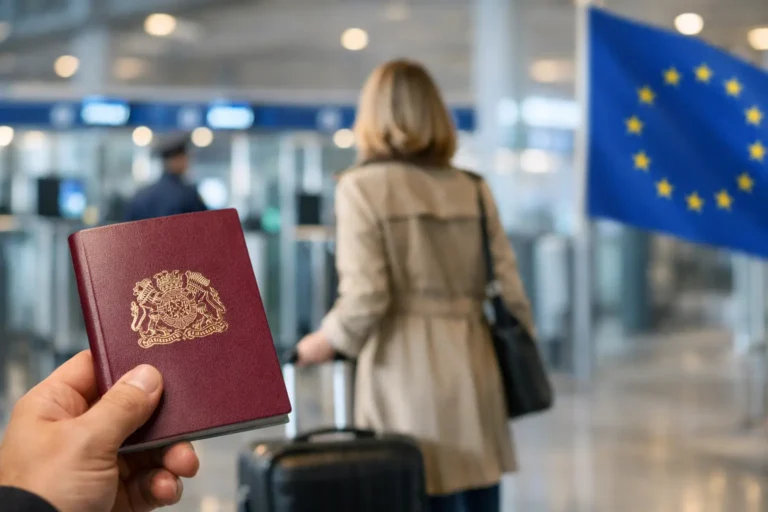
Check passport validity for your destination well before booking, particularly if a passport is close to expiry. Confirm entry requirements for every traveller, including children, and check whether any authorisation, visa or health documentation applies to your route. Requirements can change, so use current official guidance rather than relying on old travel advice.
Tell your bank you are travelling if required and take more than one payment method. A combination of a travel-friendly card, a backup card stored separately and a small amount of local currency is sensible. Avoid relying on cash alone, but do not assume every small business, public toilet or market stall will accept your preferred card.
Arrange mobile data before you leave. An eSIM can be a straightforward option for maps, transport updates and messaging without searching for a physical shop after landing. Check that your handset is compatible, understand the data allowance, and download essential maps, hotel details and tickets for offline access as a backup.
Pack lighter and reduce avoidable waste
For a short city break, hand luggage is often enough if you plan outfits around comfortable walking shoes and layers. It can reduce flight costs and means less time waiting at baggage reclaim. However, do not force hand-luggage-only travel if you need specialist equipment, are travelling with young children or have a restrictive airline allowance that makes a checked bag better value.
Pack a refillable water bottle, a small reusable tote and a compact reusable cup if you regularly buy hot drinks. These take little space and can cut down on single-use packaging during airport transfers and sightseeing days. Carry a light waterproof layer rather than buying an umbrella at the first sign of rain.
Bring a small power bank and the correct plug adaptor, but check airline rules for carrying batteries. Keep medicines, chargers, travel documents and one change of clothes in your cabin bag, particularly if you have a connection.
Final 24-hour city break booking checklist
The day before travel, complete the practical jobs that are easiest to overlook. Check in where available, download boarding passes and save screenshots as a fallback. Reconfirm the accommodation address, arrival instructions and transfer route, especially if you land late.
Review your first evening honestly. If you are arriving after 9pm, identify a nearby food option in advance rather than expecting every restaurant to be open. Check planned disruption on rail routes and allow extra time for airport security during busy periods.
Finally, share your itinerary and accommodation details with someone at home, switch on travel insurance documents in your phone files, and leave enough space in your bag for anything you buy. A calm departure starts with knowing the first two hours after landing are already handled.