

Travel Insurance Before You Book a Holiday
Introduction
A cancelled flight is frustrating. A cancelled holiday after you have paid for accommodation, rail tickets and airport parking can be expensive. Travel insurance is there to protect the cost of problems you cannot reasonably plan around, but only if you buy the right policy early enough and understand its limits.
For most UK travellers, the best time to arrange cover is when the first non-refundable part of the trip is booked, not the week before departure. That matters whether you are planning a city break, a resort holiday on the Costa del Sol or a walking break where weather and injury can disrupt plans.
What travel insurance should cover
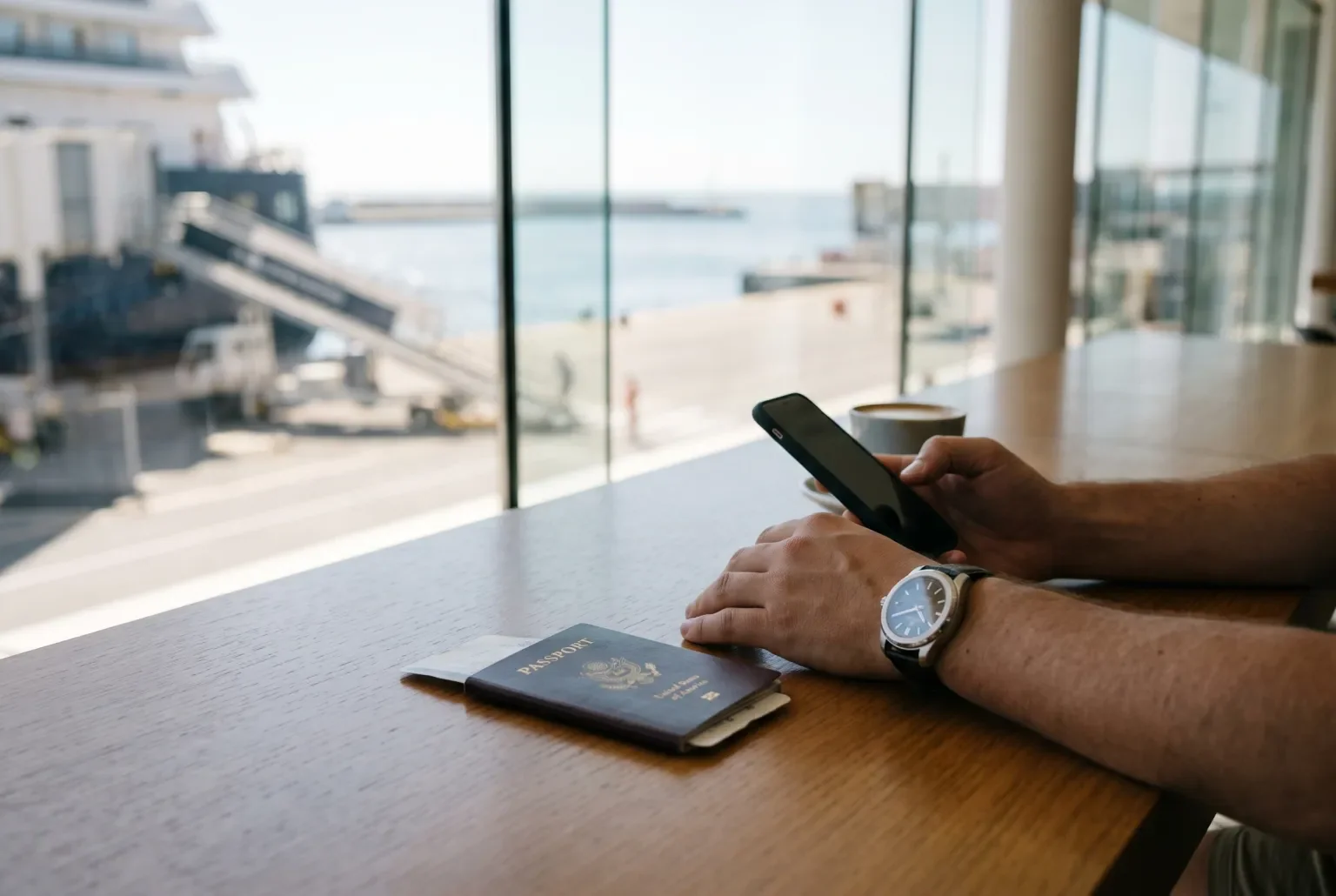
A suitable policy usually combines several types of protection. Medical cover is often the most valuable part because overseas treatment, hospital stays and repatriation can cost far more than the holiday itself. Look for a high medical limit, including cover for emergency transport home if medically necessary.
Cancellation and curtailment cover can repay eligible prepaid costs if you have to cancel before departure or cut a trip short for a covered reason. Typical reasons include serious illness, bereavement, jury service or significant damage to your home. The exact wording matters. A change of mind, poor weather at home or an event you knew about when taking out the policy will rarely qualify.
Most policies also include personal belongings, travel documents, personal liability, delayed departure and missed departure. These benefits are useful, but their limits can be lower than travellers expect. For example a £300 single-item limit will not fully cover an expensive phone, camera or watch. Equally, a missed-departure benefit may only apply if public transport fails, your car breaks down or an accident causes a documented delay – not simply because you left too little time for the airport.
Check the excess as carefully as the headline cover amount. This is the amount you pay towards each claim. A lower premium can sometimes mean a higher excess, which may make small claims uneconomic.
Buy cover when you commit to the trip
Booking travel insurance straight after making your first payment gives cancellation cover during the planning stage. If you book flights in January for an August holiday, then wait until July to insure the trip, you may have months without protection for those prepaid costs.
This is especially relevant for independent trips. Booking accommodation, trains, airport transfers and activities separately can give you flexibility, but it also means you need to understand what each supplier will refund if plans change. Insurance may fill some gaps, provided the reason for cancellation is covered and you have not accepted a refund or voucher that resolves the same loss.
Package holidays have separate financial protection arrangements, but these do not replace insurance. They may help if the organiser fails, while travel insurance can address medical emergencies, illness-related cancellation and other personal circumstances.
Medical conditions are where mistakes happen
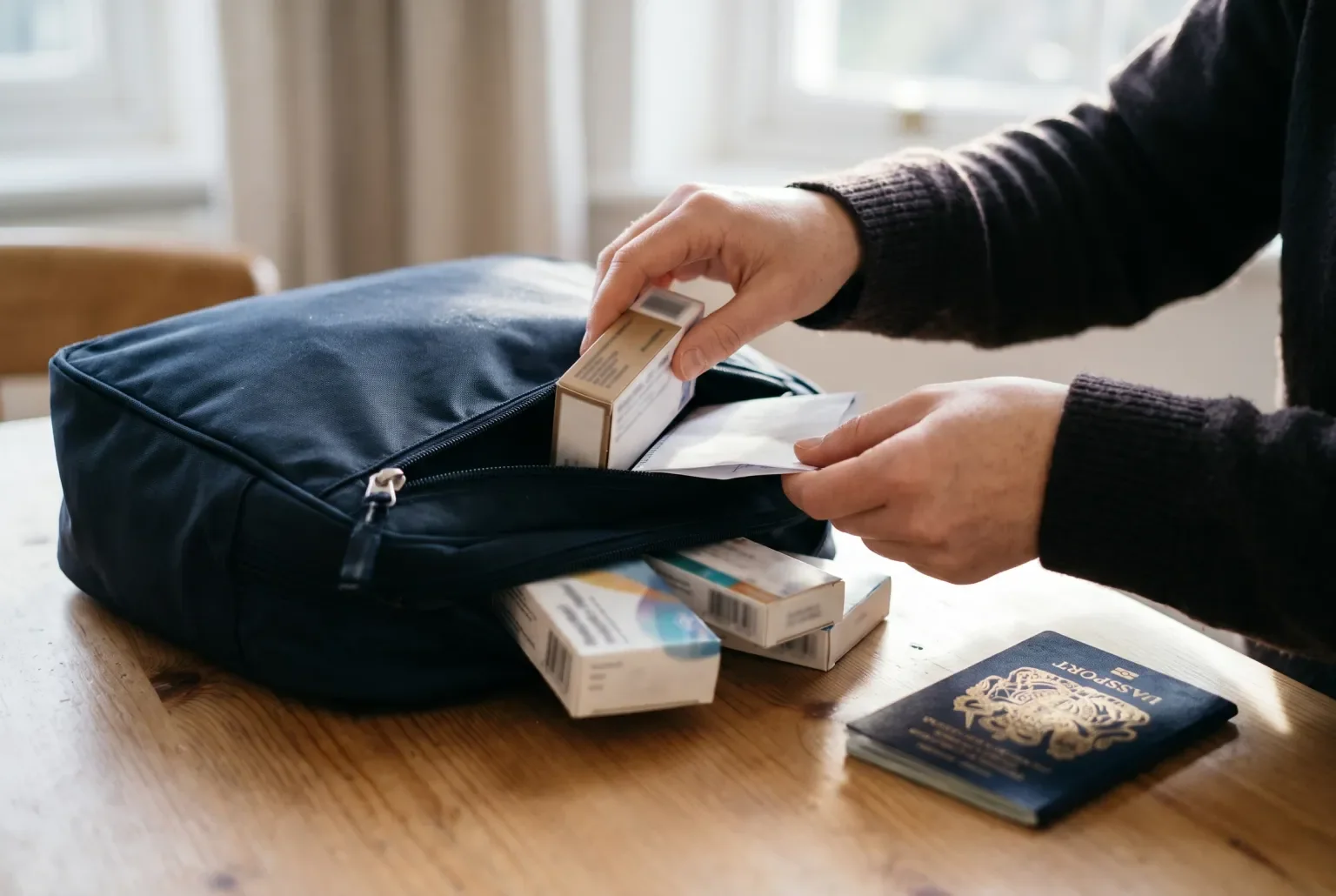
Do not treat the medical questions as a formality. Insurers commonly require you to declare diagnosed conditions, ongoing symptoms, medication, recent tests, treatment changes and previous hospital admissions. The questions differ between providers, so answer the policy’s wording accurately rather than assuming a condition is too minor to mention.
A policy can still be available if you have a medical condition, sometimes for an additional premium. What creates real difficulty is travelling with an undeclared condition and then making a related claim. If you are unsure how to answer, contact the insurer before buying and keep a note of the guidance received.
Take sufficient prescribed medication in your hand luggage, in its original packaging, alongside a copy of your prescription or a doctor’s letter where appropriate. Insurance is not a substitute for preparing properly, and replacing medication abroad can take time even when costs are recoverable.
A GHIC can support access to state-provided healthcare in many European destinations, but it is not an alternative to travel insurance. It does not cover private treatment, mountain rescue, return travel to the UK or the wider costs of cancelling a trip.
Match the policy to how you are travelling
The cheapest policy is not always poor value, but it may be designed for a straightforward, low-risk break. Before purchasing, compare the cover against your actual itinerary.
Winter sports, scuba diving, cycling holidays, organised trekking, golf, cruises and certain water activities may need an extension or a policy that specifically includes them. Walking on marked routes is often covered, while higher-altitude trekking or climbing may not be. Read the activity list rather than relying on a broad phrase such as “adventure cover”.
The same applies to transport. If you are hiring a car, check what the rental company’s excess is and whether your insurance includes excess reimbursement. If you are taking an e-scooter, moped or quad bike, understand the licence, helmet and local legal requirements. Claims can be refused where a traveller was uninsured to drive, under the influence of alcohol or breaking local law.
For families, make sure every traveller is named and that the policy works for the adults travelling. A child may not be covered to travel independently under a family policy. For a couple taking several short breaks in a year, annual multi-trip cover can be convenient, but check the maximum duration per trip and whether European-only cover is enough.
Read exclusions before comparing prices
Policy documents are not exciting holiday reading, but the exclusions section is where you find the practical boundaries. Common exclusions include incidents involving excessive alcohol, unattended belongings, known events, travel against official advice and claims caused by failure to take reasonable care.
“Unattended” can be interpreted more strictly than expected. Leaving a bag under a café table, putting valuables in a suitcase checked into an aircraft hold or leaving a phone on a sunbed may weaken a claim. Keep valuables with you where possible and use the accommodation safe if one is provided.
You should also check the cancellation wording for industrial action, airline failure, civil unrest and severe weather. Cover varies widely. If an airline cancels a flight, seek a refund or rebooking from the airline first. Insurance generally covers uninsured losses, not costs another party is already legally responsible for.
Prepare for a claim before anything goes wrong
Good records make a stressful situation easier to manage. Save policy details and the emergency assistance number offline on your phone, as well as carrying a printed copy. If you need medical treatment abroad, contact the insurer’s emergency assistance team as soon as practical, particularly before agreeing to expensive treatment or repatriation.
Keep receipts for replacement essentials, transport, accommodation and medical costs. For stolen belongings, obtain a police report as soon as possible. For delayed or cancelled transport, ask the operator for written confirmation of the cause and length of the delay. Photographs of damaged items and proof of ownership can also be useful.
Before leaving, take a few minutes to store these items together:
- your policy number, insurer contact details and emergency medical number;
- booking confirmations and evidence of what you paid;
- copies of prescriptions, passports and any medical declaration;
- photographs or receipts for valuable items you are taking; and
- a clear list of emergency contacts at home.
This small piece of admin also reduces paper waste. Save documents securely on your phone and offline, then print only the key pages you may need if your battery fails.
A practical choice, not an optional extra
Travel insurance cannot remove every inconvenience. It will not turn a disappointing hotel into a refundable holiday, and it cannot cover risks you knowingly accept. What it can do is prevent one illness, injury or unexpected cancellation from becoming a much larger financial problem.
Choose cover based on your health, destination, transport and plans rather than the lowest headline price. Then keep the documents accessible, leave enough time for connections and travel with the kind of practical preparation that lets you enjoy the holiday once you arrive.
Frequently Asked Questions
Additional Resources

The Essential Cruise & Travel Shop

Disclaimer
Stafford Affiliates Travel provides this guide for informational purposes only and does not act as a travel agency, insurance broker, or professional financial adviser. The information contained in this guide is for general guidance only. While we do our best to ensure the information is up-to-date and correct, we make no representations or warranties of any kind about its completeness or accuracy. Travel insurance policy terms, cover limits, medical declaration requirements, activity exclusions, and supplier refund rules are subject to change without notice. We strongly recommend that you verify all policy wording, cover details, medical declarations, and travel terms directly with your chosen insurance provider, airline, or relevant official authority before making any bookings, decisions, or financial commitments. We cannot be held liable for any financial loss due to the reader's failure to follow the above advice.
Affiliate Disclosure
Many of the links are affiliate links, Stafford Affiliates Travel may receive a commission from qualifying clicks, orders or bookings at no additional cost to you. This income helps support our efforts to provide and improve our site and turn it into a one stop resource for travellers with a bias towards cruising.