City Break Carry-On Packing: Expert Tips for Light Travel
Affiliate disclosure: This article contains affiliate links. If you click through and make a purchase, Stafford Affiliates Travel may earn a commission at no extra cost to you.
You do not need a bigger bag for a short city break. Most travellers need a sharper plan. Good carry on city break packing is less about squeezing in more and more about choosing the right items for two or three days of walking, eating out, changing weather and airport rules.
The biggest mistake is packing for every possible scenario. A city break is usually quite predictable. You need comfortable clothes you can repeat, shoes you can trust on pavements and public transport, and a small set of essentials that keep you moving without paying for hold luggage or dragging a heavy case across cobbles.
How to approach carry on city break packing
Start with the shape of the trip, not the bag. A weekend in Lisbon in July needs a different plan from a winter break in Prague, but the principle stays the same. Work from your itinerary. Think about how many travel days you have, whether you are dining casually or somewhere smarter, and how much time you will spend outdoors.
For most city breaks, one cabin bag and one small personal item are enough. If your airline allows both, use them properly. Keep your main clothing and shoes in the cabin bag, and use the smaller item for anything you need in transit such as travel documents, medication, a refillable water bottle, mobile phone charger and a light layer.
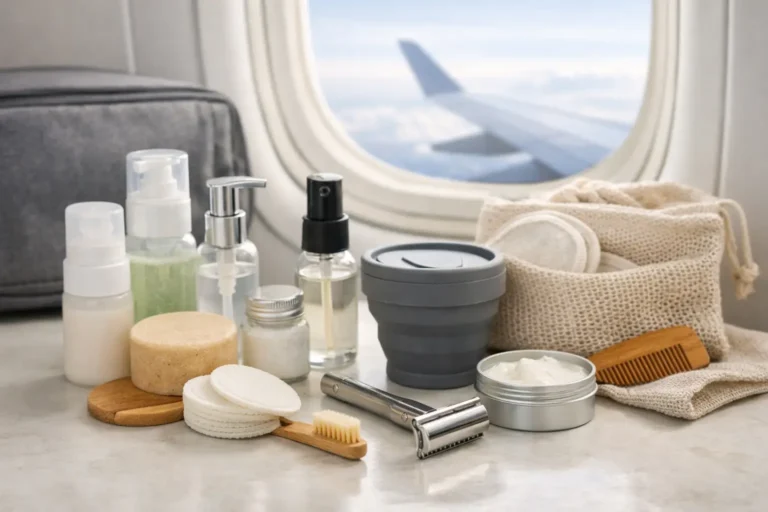
This is also where lower-waste choices help. Refillable toiletries, a reusable bottle and items you will use again at home make more sense than buying miniatures for every trip. You save space, cut waste and avoid the last-minute scramble at the airport.
Build around one outfit system
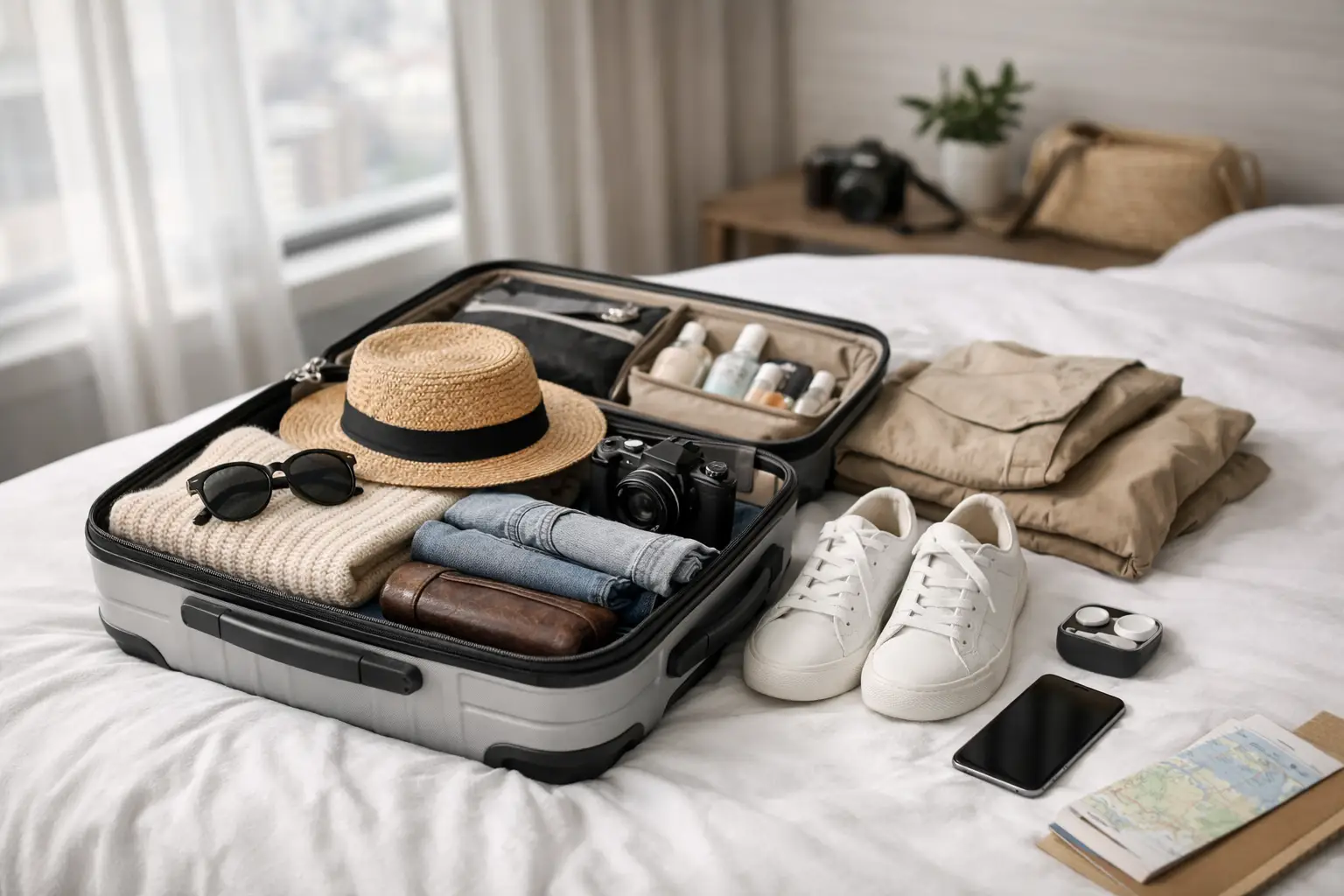
Packing gets easier when every item works with at least two others. Rather than thinking in complete outfits, think in layers and combinations. For a typical two or three-night break, many travellers can manage with two tops, one spare bottom, one outer layer, nightwear, underwear and socks, then wear the bulkiest outfit in transit.
Neutral colours usually make this easier, but the real goal is versatility, not blandness. A dark pair of trousers or jeans, one lighter top, one smarter top and a lightweight knit or overshirt can cover daytime sightseeing and an evening meal without making the bag feel overstuffed.
Shoes are where space disappears. If possible, travel in your heaviest pair and avoid packing a second bulky option. For many city breaks, one good pair of comfortable trainers or supportive ankle boots is enough. If you know you have a specific evening booking with a dress code, choose the second pair carefully and make sure it earns its place.
What to wear on the journey
Your travel outfit should do some of the packing work for you. Wear the coat, knitwear or blazer you might need later, along with your largest shoes. This frees up room in your bag and helps with changing temperatures on planes, trains and airport transfers.
Choose fabrics that do not crease easily. A city break often starts straight after arrival, and you may not have access to an iron or time to change properly before heading out.
Toiletries and airport rules without the stress
Toiletries are often the part that turns a neat carry-on plan into a mess. The answer is to reduce categories rather than just buying smaller versions of everything. Ask what you will realistically use for two or three days.
A clear liquids bag is still essential on many routes, so keep it ready before travel day. Decant only what you need into small refillable bottles. Solid toiletries can help, but only if you already use them and know they work for you. A short break is not the moment to test a shampoo bar that leaves your hair impossible to manage.
Keep your liquids simple: toothpaste, deodorant if needed, skincare basics, and any must-have make-up. Hotel toiletries can fill some gaps, but do not assume every property will provide what you want. If something matters to your comfort, pack it.
Medication should never be left to chance. Keep it in your personal item with any prescriptions or notes you might need. The same goes for glasses, contact lenses and a small supply of plasters if you are walking a lot.
The bag matters, but not in the way people think
You do not need an expensive cabin case to pack well. You do need to check your airline’s size limits before you leave home. Budget airlines vary, and the difference between a free personal item and a paid cabin bag can affect both your packing plan and your total trip cost.
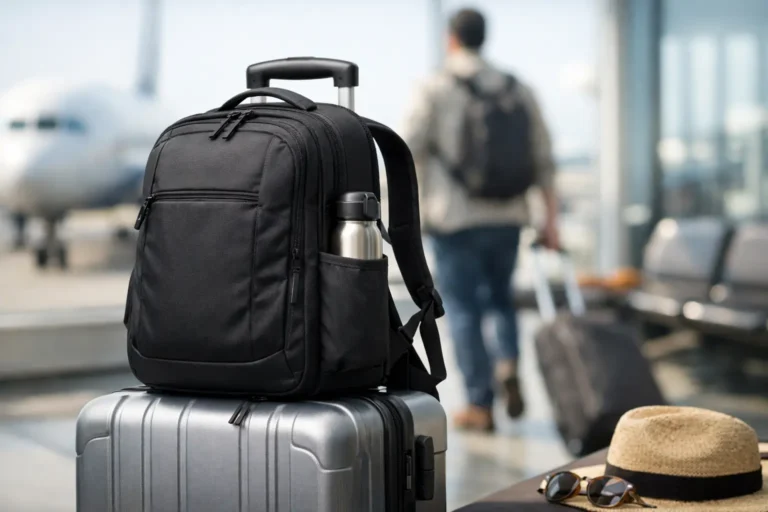
Soft-sided bags can be more forgiving when fitting under a seat, while hard-shell cases often make organisation easier. Backpacks are practical for stairs, uneven streets and public transport, but they can become uncomfortable if you overpack. Wheeled cabin bags are better if you prefer structure, though they are less convenient on old pavements and station steps.
If you are choosing between bag types for a city break, think about your arrival. A compact backpack often makes more sense if you are using a metro, train or shuttle rather than going straight into a taxi.
Keep your personal item useful
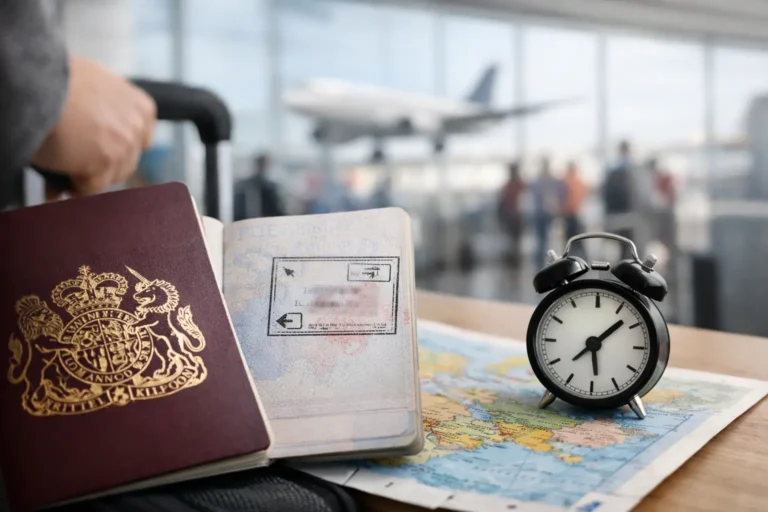
Your smaller bag should not become a dumping ground. Pack it with purpose. This is where you keep passport, boarding pass access, wallet, mobile phone, charger, earbuds, medication, sunglasses and one small snack. If there is a delay, everything important stays within reach.
It can also double as your day bag once you arrive, which means one less item to pack.
Space-saving methods that actually help
Rolling versus folding matters less than people think. What matters is visibility and compression. If you cannot see what you packed, you are more likely to bring duplicates or crush the items you actually need.
Packing cubes help if they stop clothing from spreading everywhere, especially on a short multi-stop trip. They are less useful if they tempt you to fill every bit of space. For a simple weekend break, one cube for clothing and one small pouch for underwear or chargers is usually enough.
Use dead space sensibly. Socks can go inside shoes. Small items can sit around the edges of the bag. Keep anything you may be asked to remove at security, such as liquids or electronics, easy to reach.
Leave some room on the outward journey if you can. Even a restrained city break often ends with a few purchases, whether that is food to bring home, local gifts or one extra layer you did not expect to need.
What changes by season and destination
Carry on city break packing always depends a little on climate and pace. In warmer cities, lighter fabrics dry faster and allow you to hand-wash one item if needed. In colder months, the challenge is bulk. Accessories become more important because a hat, scarf and gloves can change your comfort level without taking as much space as another jumper.
Rain is another factor people underestimate. A compact waterproof layer is often more useful than an umbrella, especially if you are walking through busy streets or using public transport. If the forecast is mixed, pack for layering rather than extremes.
Family trips need a slightly different balance. Children can require more spare clothing, but the same rule still applies: pack for the actual plan. If you have access to shops at the destination, you do not need to carry every possible backup from home.
Common mistakes that make cabin-only travel harder
The first is packing aspirationally. If you never wear that shirt at home because it creases, pinches or needs special care, it will not suddenly become useful abroad. The second is ignoring your walking needs. A city break usually means more time on your feet than expected.
The third is forgetting the return journey. Dirty laundry, receipts, chargers and any small purchases need space and order. A simple laundry bag or packing pouch keeps used clothing separate and makes repacking much quicker.
Another common problem is bringing full-sized tech for a short trip. One mobile phone charger, one plug adaptor if needed and perhaps a power bank are usually enough. If you are only away for two nights, ask whether every extra cable is earning its place.
A realistic packing mindset for short breaks
A well-packed carry-on is really a planning tool. It saves money on baggage fees, helps you move faster through airports and stations, and makes public transport far easier once you arrive. It also reduces the chance of overbuying throwaway travel items you will not use again.
For most travellers, the best test is simple: can you carry your bag comfortably for 15 minutes, lift it easily and find what you need without unpacking everything? If the answer is no, remove something.
Stafford Affiliates Travel focuses on practical trip planning, and this is one of those areas where a small adjustment pays off immediately. Pack for the trip you booked, not the one you are vaguely imagining. You will travel lighter, waste less and start the break with far less friction.
The best city break bag is the one that leaves you free to walk straight out of arrivals and get on with the trip.