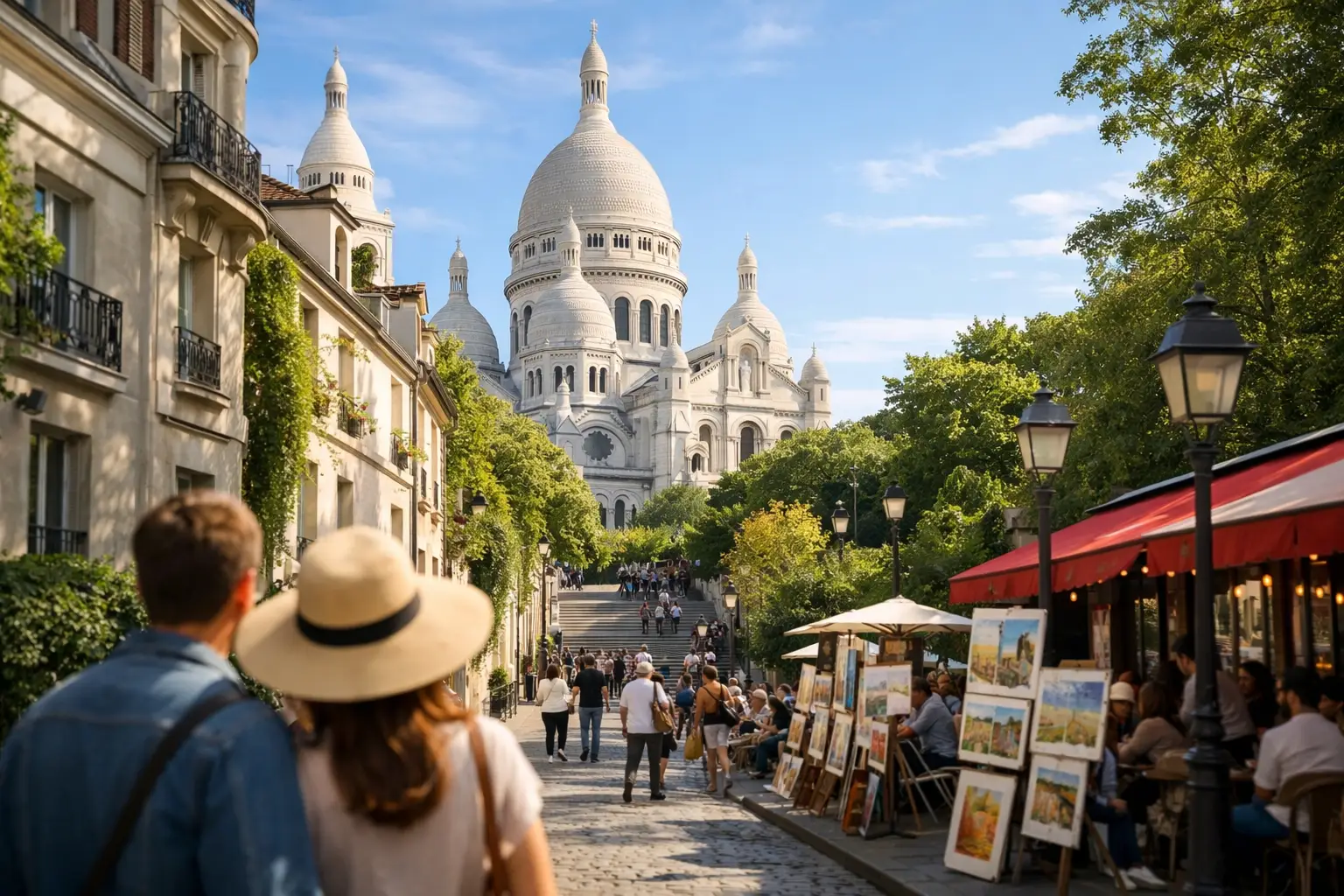
Montmartre Paris: what to see and plan
Introduction
Montmartre Paris is where many first-time visitors lose time without meaning to. The area looks compact on a map, but the steep streets, heavy crowds and stop-start pace can turn a simple half day into an overlong wander with tired legs and poor timing. If you want the atmosphere without the usual planning mistakes, it helps to treat Montmartre as a neighbourhood to navigate properly rather than a single sight.
This is one of the most visited parts of the city for good reason. You get hilltop views, famous churches, artists’ corners, old cabaret history and streets that still feel distinct from the grander boulevards elsewhere. The catch is that it can become expensive, congested and slightly chaotic if you arrive at the wrong time or rely on vague advice.
How to plan a visit to Montmartre Paris
The first decision is whether you want a short visit or a slower one. For most travellers, three to five hours is enough to see the main highlights properly, pause for lunch or coffee, and still leave before crowd levels peak. If you enjoy photography, local food stops or browsing smaller streets, allow half a day.
Morning is usually the best time to visit. Arriving early gives you a calmer walk uphill, shorter queues at major sights and a better chance of seeing the neighbourhood before souvenir shops and tour groups dominate the experience. Late afternoon can also work, especially if you want views in softer light, but it will usually be busier.
If you are planning a weekend break, avoid treating Montmartre as your only activity for the day unless you are happy with a slower pace. The area rewards walking, but the gradients are real, and the stop-start nature of sightseeing means it can be more tiring than expected.
What is actually worth seeing
The main draw is Sacre-Coeur, which sits at the top of the hill and anchors most visits. Even if you are not especially interested in church interiors, the exterior setting and elevated viewpoint make it worth the climb. The steps and surrounding terrace are often crowded, so if you want a more relaxed look, arrive earlier than you think necessary.
Just beyond that, Place du Tertre is the best-known square, famous for portrait artists and café terraces. It is lively and photogenic, but also one of the easiest places to overspend. It is worth passing through because it is part of the area’s identity, yet it works better as a short stop than a long sit-down unless you already know the prices suit your budget.
The quieter appeal of Montmartre often lies in the side streets. Once you move a few minutes away from the busiest lanes, the neighbourhood feels more residential and much easier to enjoy. This is where you notice staircases, old facades, small food shops and corners that feel less staged. Travellers who only go from the funicular to Sacre-Coeur and back often miss that entirely.
If your interests lean towards cultural history, the old cabaret quarter matters too. The area around the lower slopes connects to the entertainment history that shaped the district’s reputation. It is less about ticking off one single landmark and more about understanding how the neighbourhood changed from village edge to creative centre to mass tourism hotspot.
The easiest way to get around
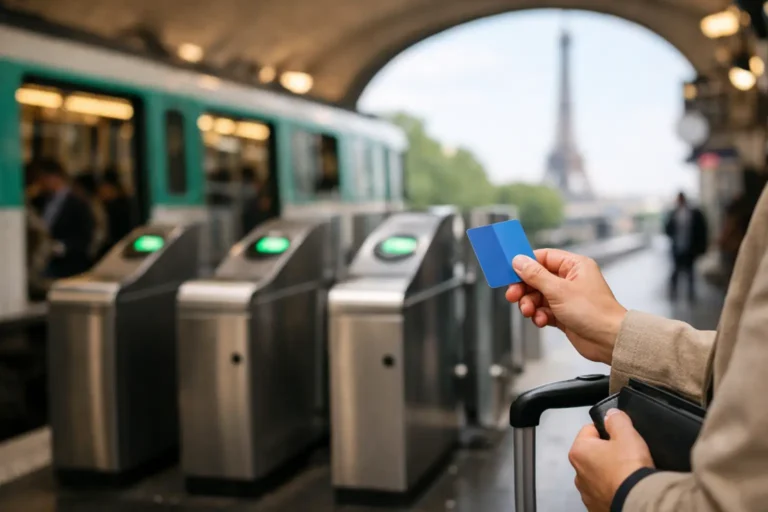
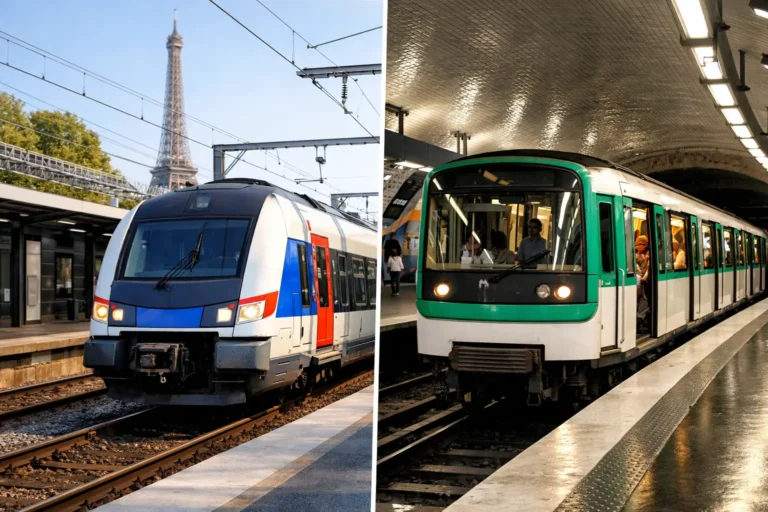
Public transport is the sensible option. The hill itself limits the usefulness of taxis and ride services once the area becomes congested, and driving is rarely worth the hassle. Metro access is straightforward, but what matters most is choosing your station based on how much uphill walking you are willing to do.
Some travellers prefer to arrive lower down and walk up through the neighbourhood for the full effect. That makes sense if you are reasonably mobile and want to see the transition from busier commercial streets to the hilltop. If you are travelling with children, carrying luggage or managing limited mobility, it is better to plan an easier approach and reduce the number of steep steps.
The funicular can be a practical choice rather than a tourist novelty. It saves energy, cuts out one of the more crowded climbs and makes the visit more manageable in hot weather. That is especially useful if Montmartre is only one stop in a full sightseeing day.
Comfortable shoes are not optional here. Cobbles, slopes and stairways make flimsy footwear a poor choice, especially in wet weather. If rain is forecast, add extra time because the streets can feel slower and more slippery than they look.
Where to stay near Montmartre
Staying in or near the area can work well for a short break if you want character, walkability and easy access to a lot of food options. It suits couples, solo travellers and repeat visitors particularly well. For families or anyone sensitive to noise, hotel choice matters more than the district name on the booking page.
The busiest pockets can be noisy well into the evening. Street activity, bars and late-night arrivals are common, so check room reviews for soundproofing and avoid assuming that a charming historic building will be quiet. A slightly less central base within walking or metro distance is often the better compromise.
If your priority is early starts and efficient sightseeing, choose somewhere with simple transport access rather than a room directly beside the top attractions. Five or ten minutes of easier transit can save more time overall than staying in the middle of the busiest streets.
Food, cafés and avoiding tourist-trap prices
Montmartre is full of places to eat, but not all of them offer good value. The busiest squares and terraces charge for location first and quality second. That does not mean you should avoid eating in the area altogether – just be selective.
A practical approach is to walk a few streets back from the most photographed corners before choosing somewhere. Menus tend to become more reasonable once you move away from the main flow of day-trippers. This also makes for a calmer meal, which matters if you are trying to reset between sightseeing stops.
For a lighter and lower-waste option, consider picking up bakery items, fruit or simple picnic supplies and using a refillable water bottle. That cuts packaging, helps with budgeting and avoids the familiar pattern of paying too much for a rushed terrace lunch. Just be respectful about where you stop and avoid creating litter in already busy public areas.
Common mistakes travellers make
The biggest mistake is underestimating the terrain. People often plan Montmartre as if it were a flat museum district and end up rushing because every move takes longer than expected. Build in breathing room between transport, meals and major sights.
Another common mistake is arriving in the middle of the day and expecting a relaxed atmosphere. By then, queues are longer, photo spots are crowded and the neighbourhood can feel more commercial than charming. If your schedule forces a midday visit, focus less on the headline spots and more on quieter side streets.
Many travellers also book nearby accommodation without checking whether the exact location suits their trip style. A romantic-looking lane may be difficult with pushchairs, luggage or accessibility needs. Look beyond the photos and think about stairs, station access and evening noise.
The last mistake is trying to cram too much into one uphill loop. Montmartre is best handled at a measured pace. A shorter, smarter route usually beats an ambitious one that leaves you tired before the rest of the day begins.
A practical half-day route
Start early and head uphill first while energy levels are still good. Visit Sacre-Coeur before the largest crowds gather, then spend time in the surrounding streets rather than lingering too long on the busiest terrace viewpoints.
From there, pass through Place du Tertre briefly, then move into the quieter lanes where the district feels more local and less performative. Pause for coffee or a bakery stop away from the most obvious squares. If you want lunch, aim for a slightly earlier or later sitting to avoid peak congestion.
Finish by walking down rather than retracing the steepest part of your route. That gives you a better sense of the neighbourhood’s layers and usually makes onward travel simpler. If your afternoon includes other sights, this approach keeps your energy intact.
Lower-waste choices that make sense here
Montmartre is one of those places where small practical habits genuinely help. Carrying a refillable bottle reduces single-use plastic on a route where drinks are sold at premium prices. Using public transport instead of short car journeys is usually quicker as well as lower impact.
If you are buying souvenirs, skip mass-produced items sold at every corner and choose something useful or locally made. The area’s creative reputation is part of its appeal, but not every purchase reflects that. A more selective approach often means better quality and less waste.
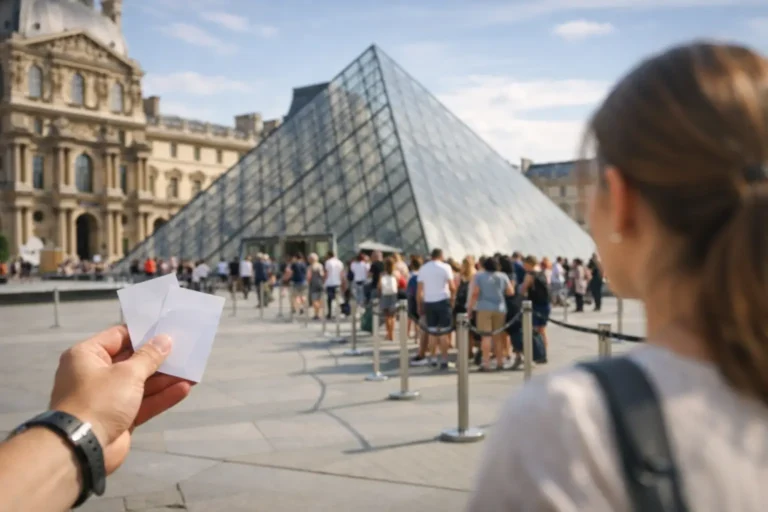
Digital tickets and offline maps also make things easier. They reduce paper clutter, speed up entry where applicable and help you avoid standing on a crowded pavement trying to work out directions.
Montmartre rewards travellers who plan lightly but think ahead. Go early, wear proper shoes, keep your route realistic and leave space to wander beyond the busiest corners. That is usually the difference between feeling swept along by the crowds and feeling like you actually saw the neighbourhood.
Frequently Asked Questions
Disclaimer
Stafford Affiliates Travel provides this guide for informational purposes and is not a travel agency. The information contained in this guide is for general guidance only. While we do our best to ensure the information is up-to-date and correct, we make no representations or warranties of any kind about its completeness or accuracy.
Cruise line policies, itineraries, and loyalty programs are subject to change without notice. We strongly recommend that you verify all details directly with your cruise line or a certified travel agent before making any bookings or financial commitments.
We cannot be held liable for any financial loss due to the reader’s failure to follow the above advice.
Affiliate Disclosure
Many of the links are affiliate links, Stafford Affiliates Travel may receive a commission from qualifying clicks, orders or bookings at no additional cost to you. This income helps support our efforts to provide and improve our site and turn it into a one stop resource for travellers with a bias towards cruising.